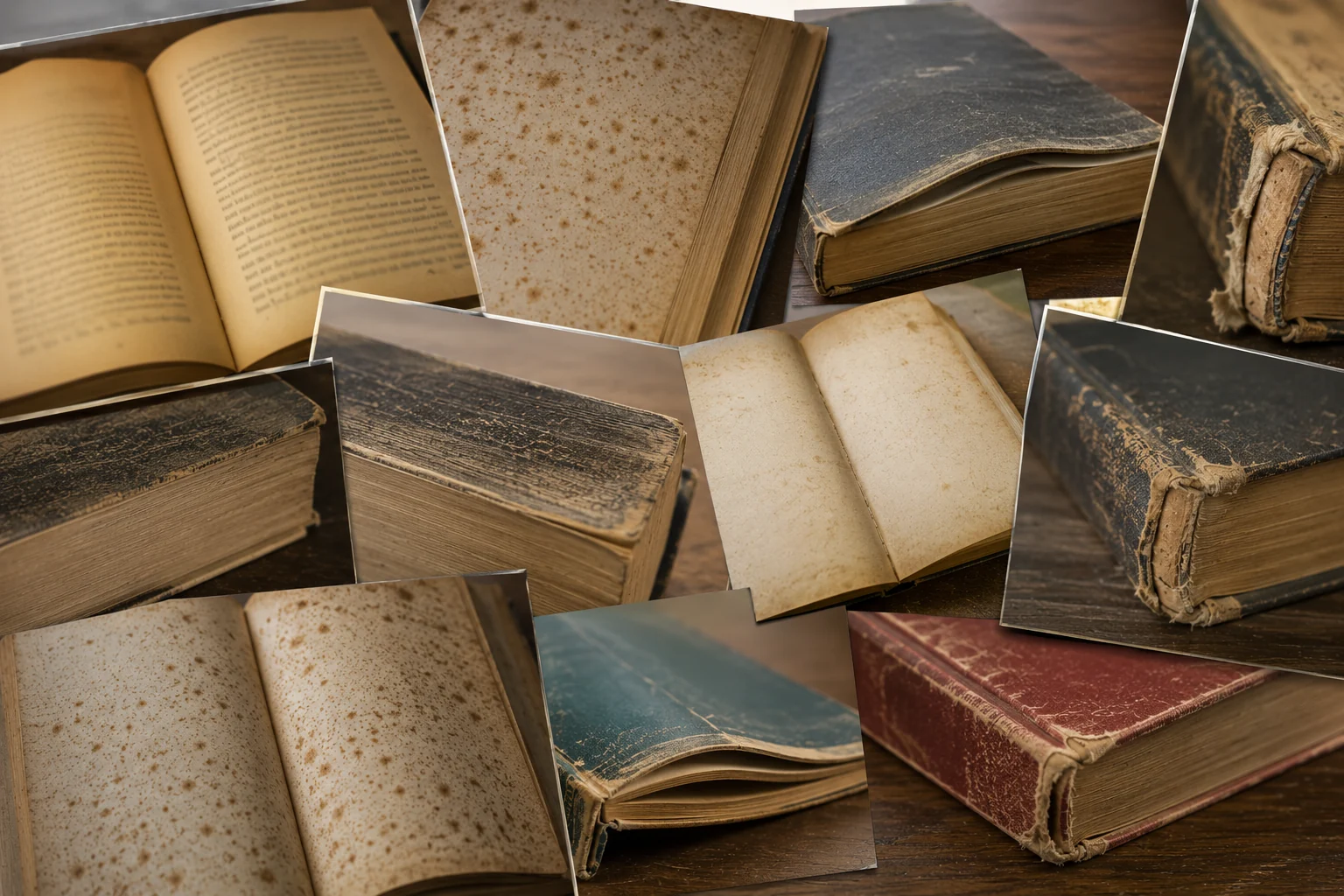
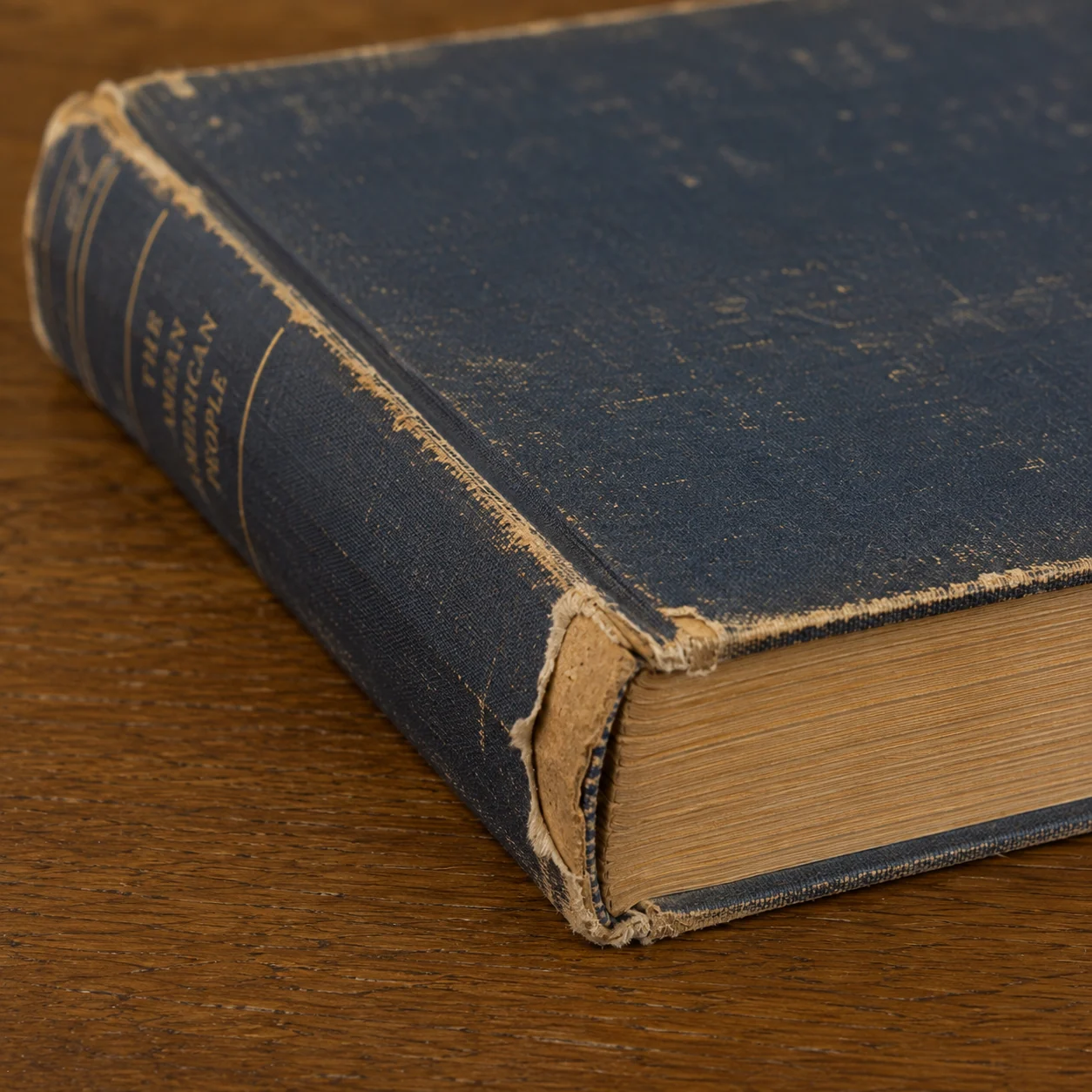
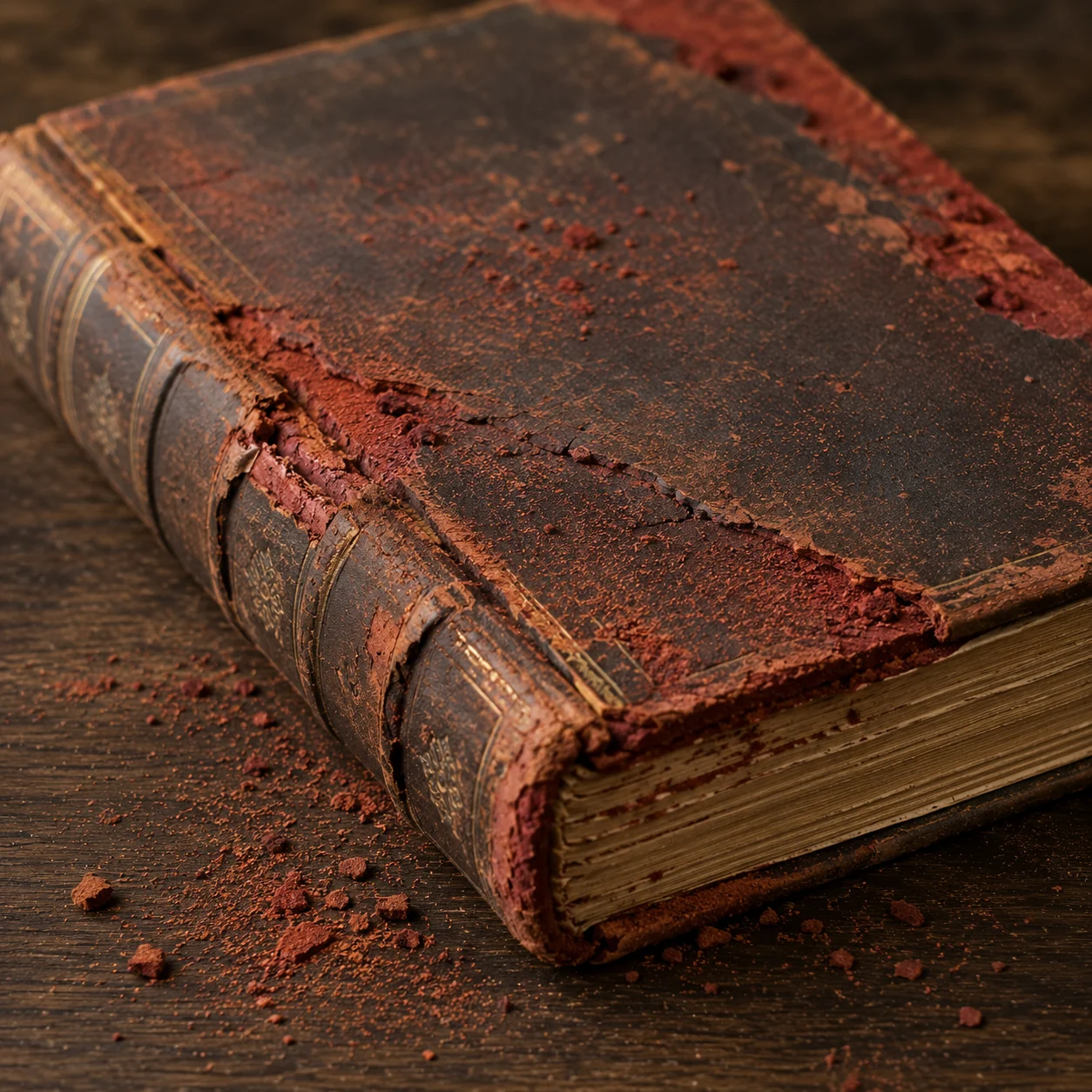
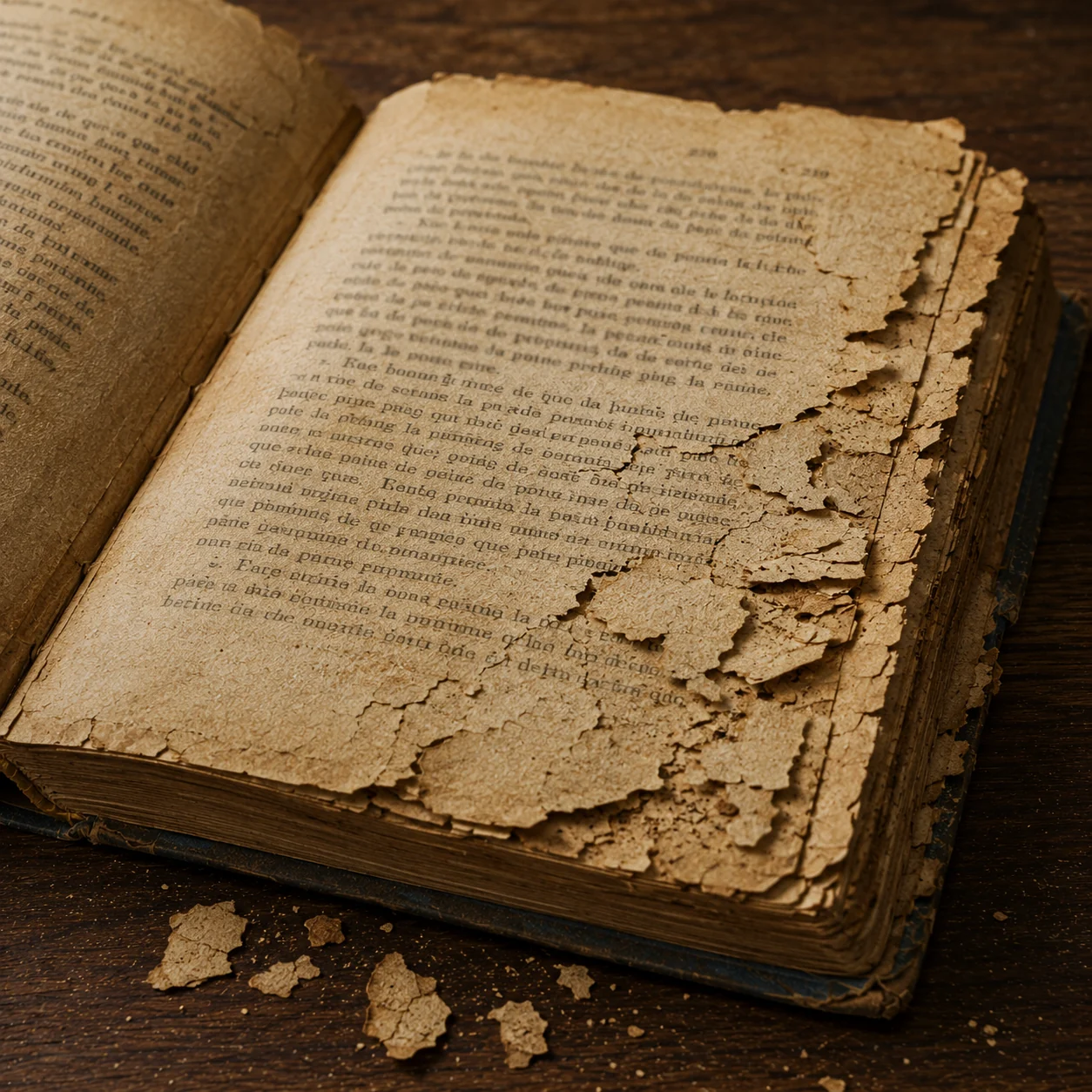
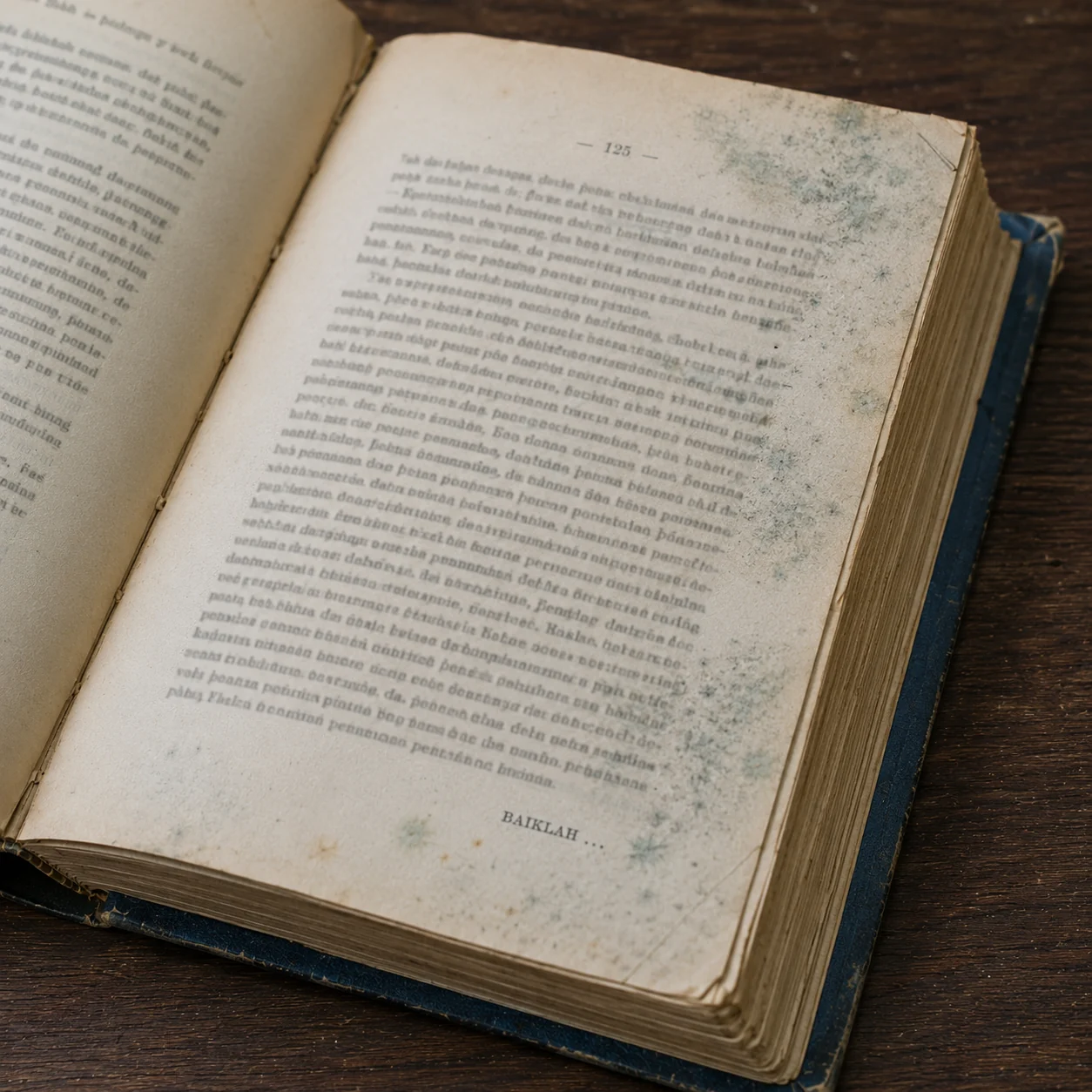
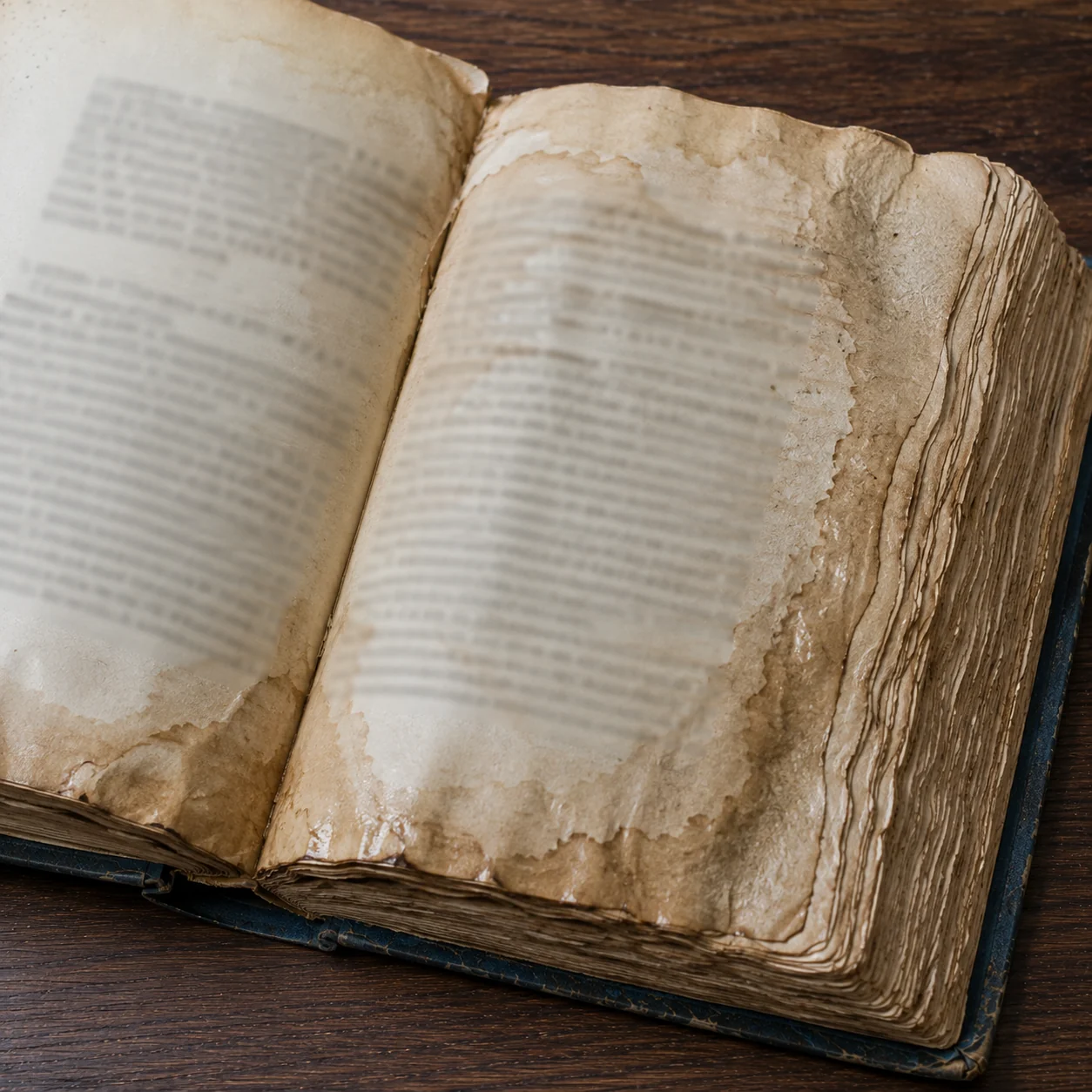
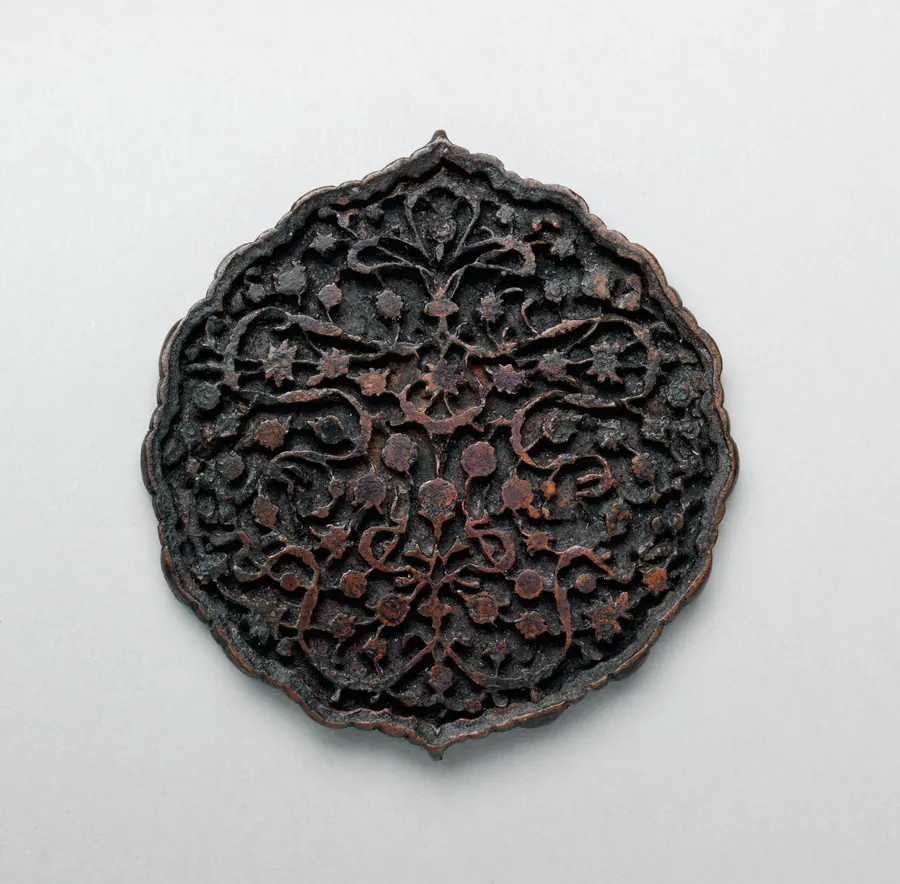
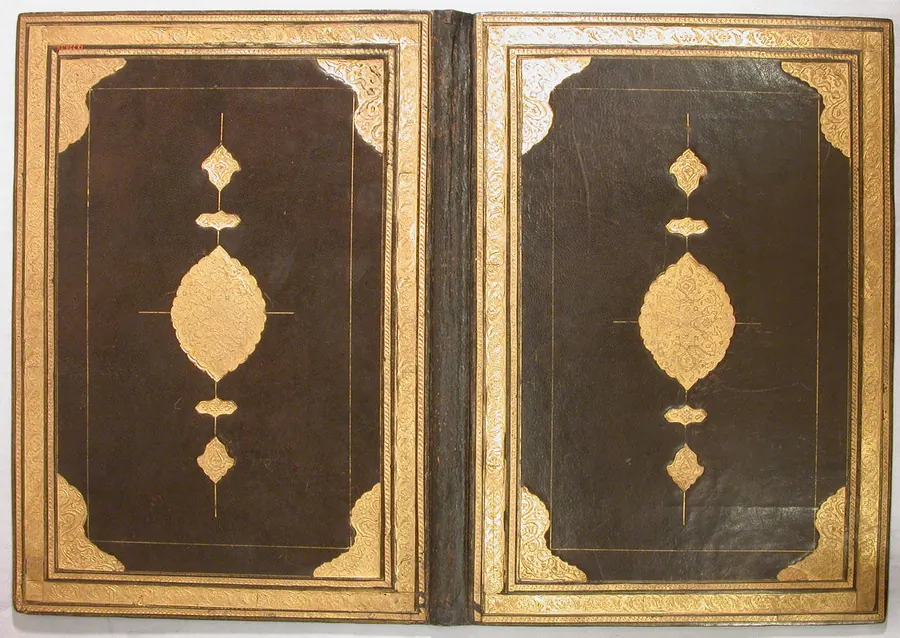
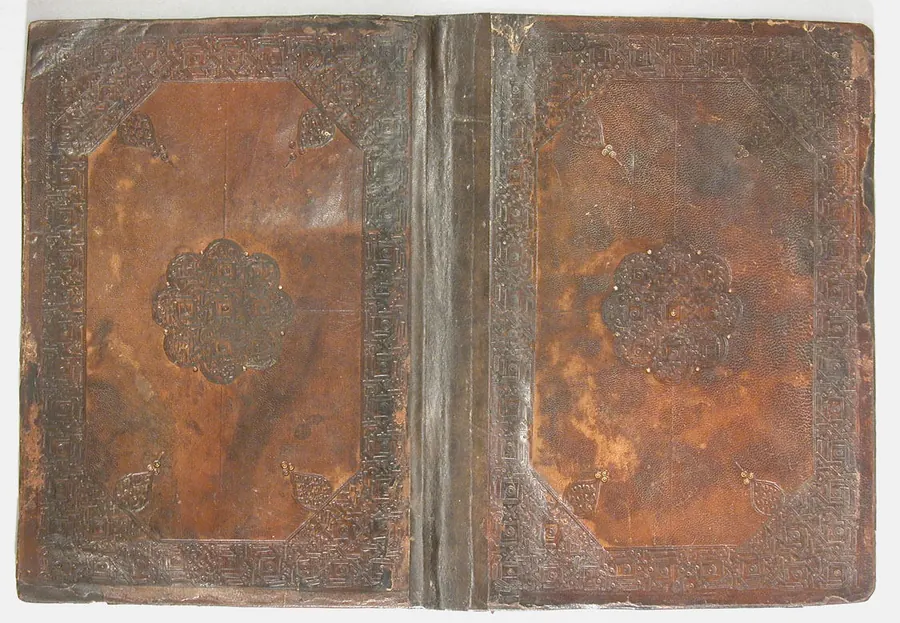
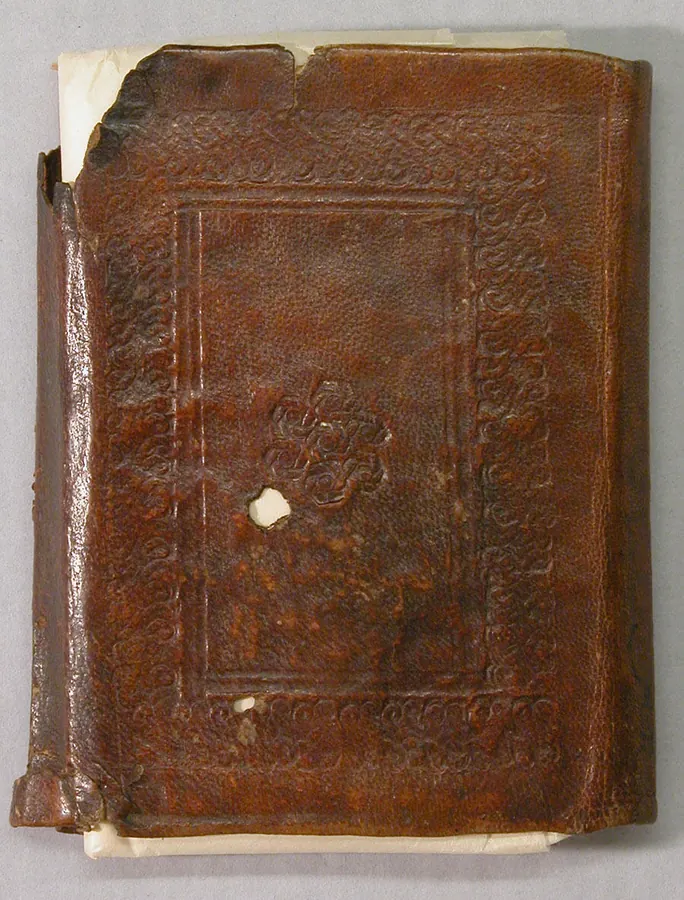
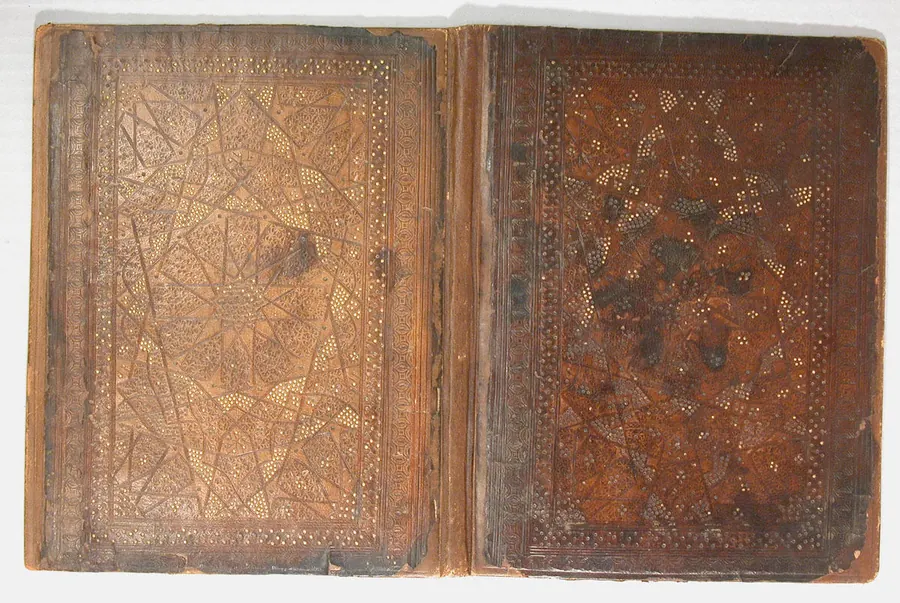
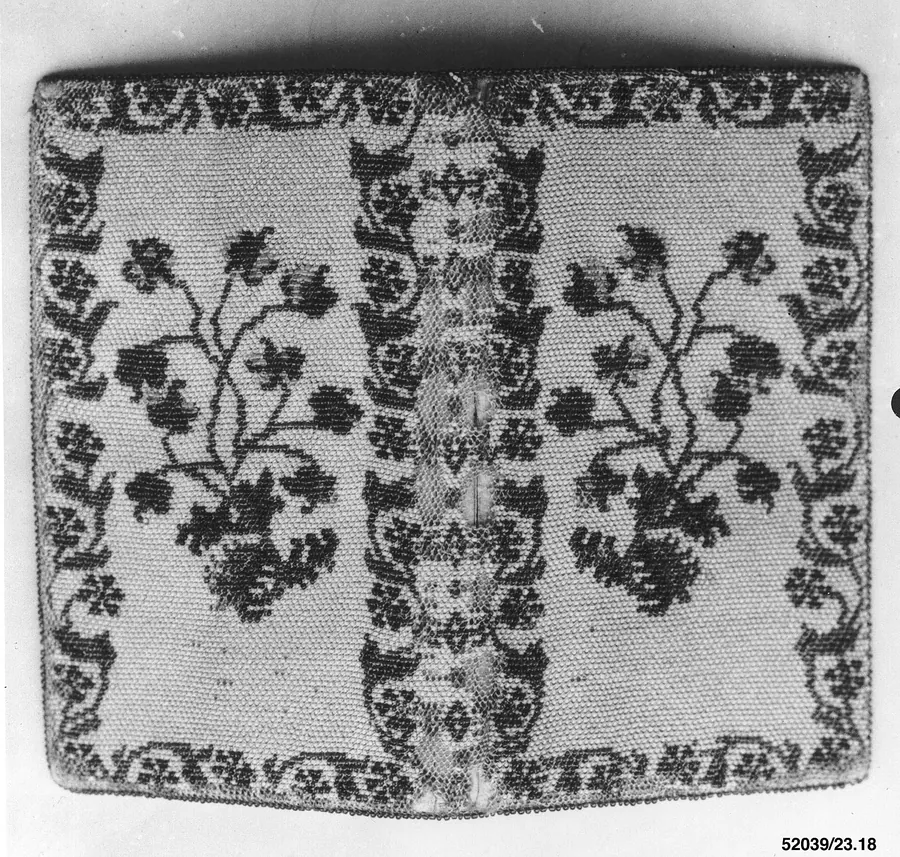
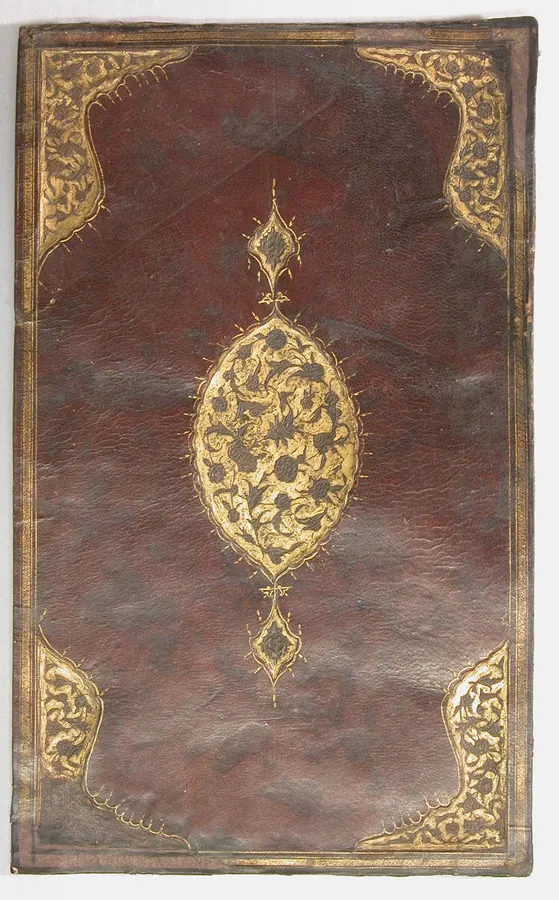
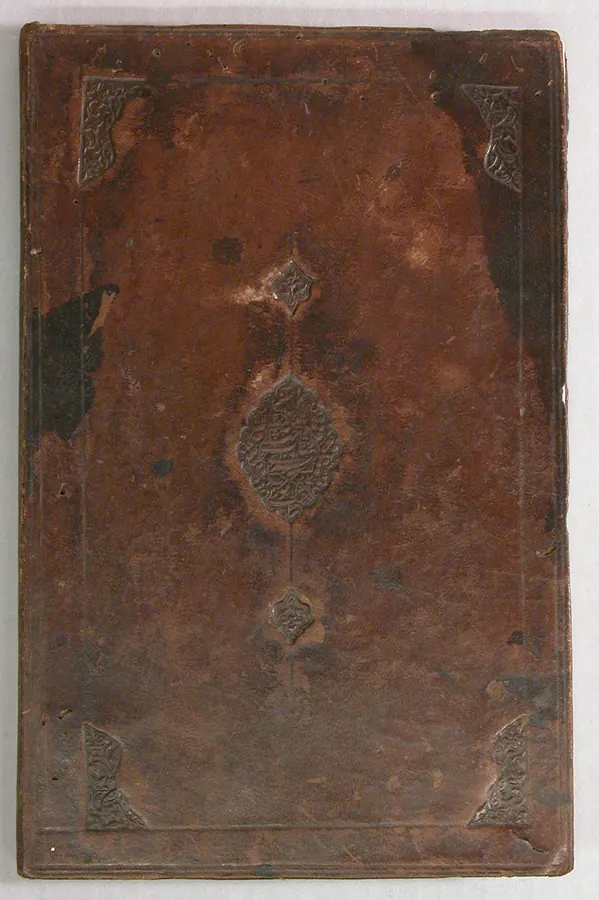
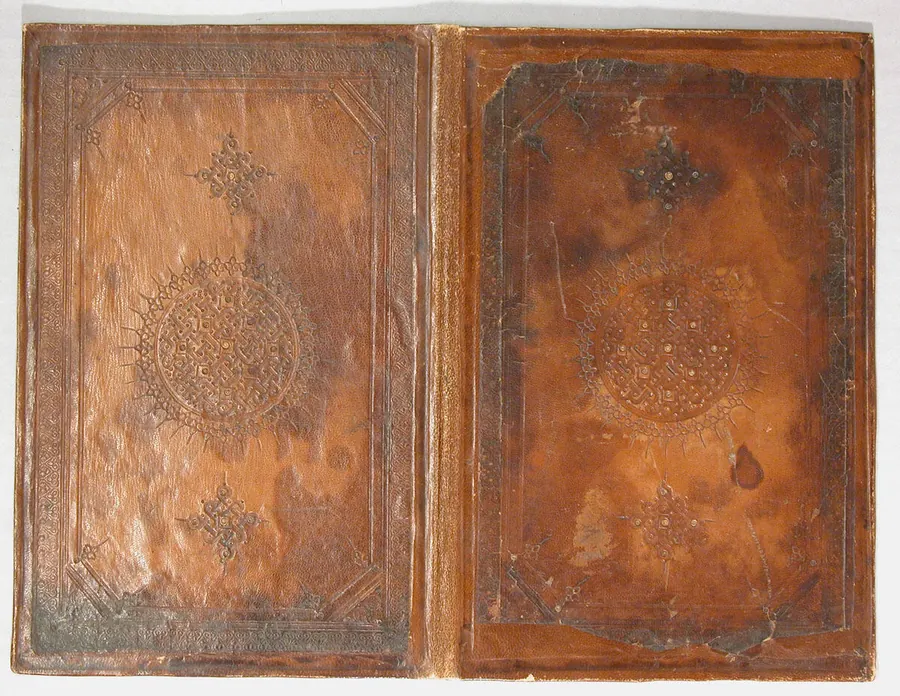
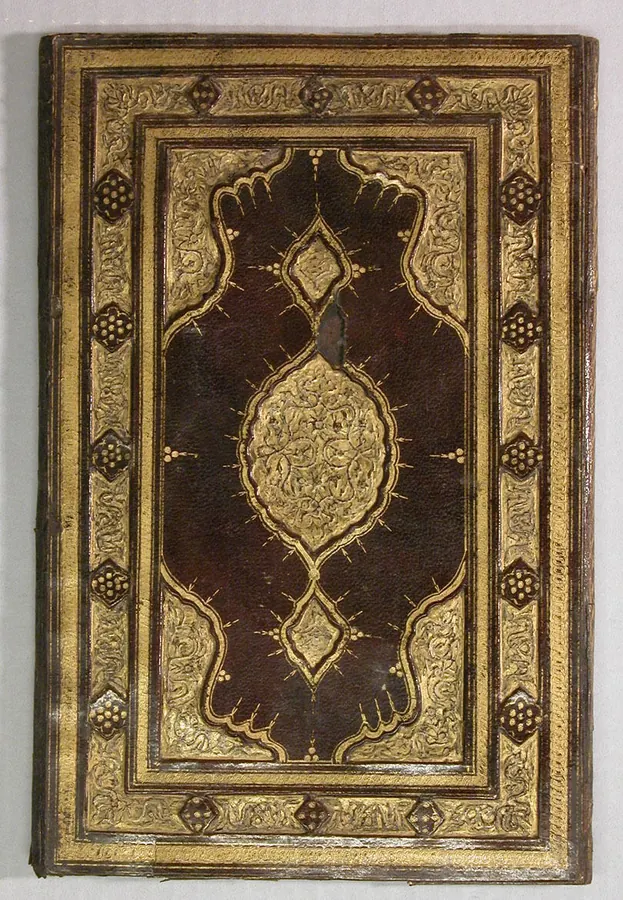
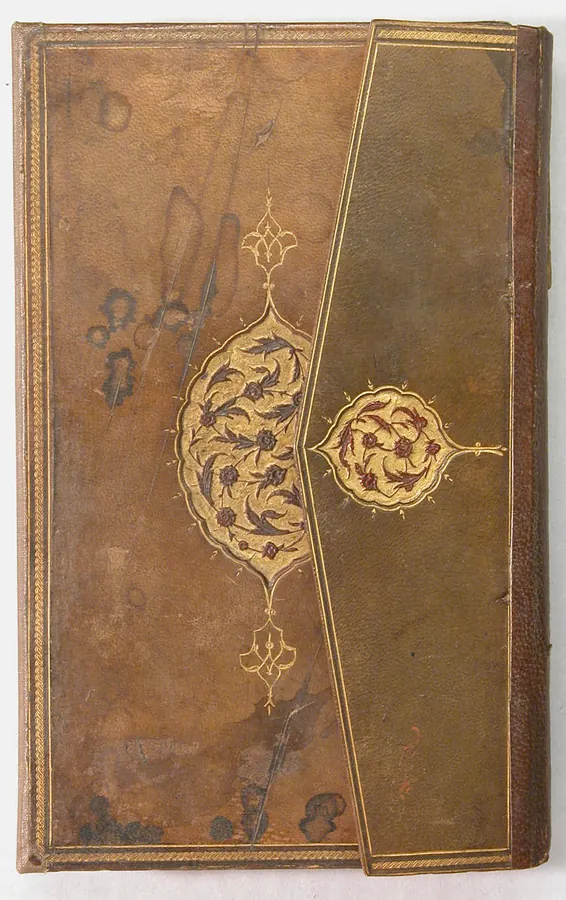
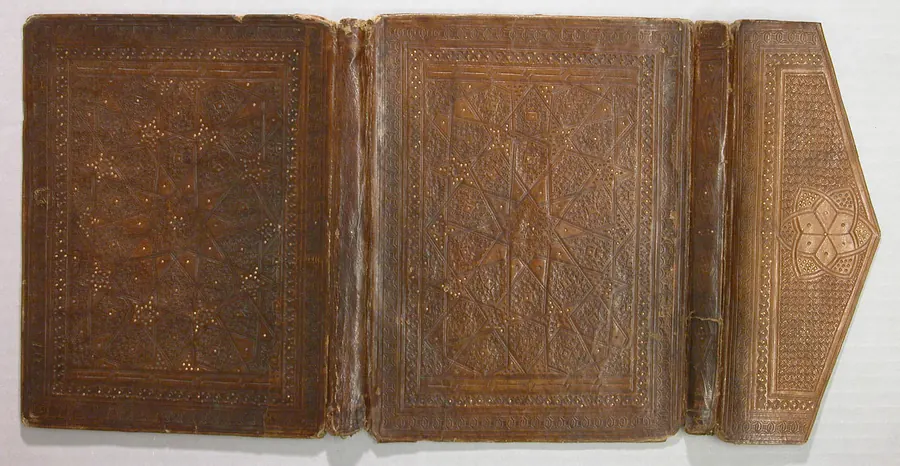
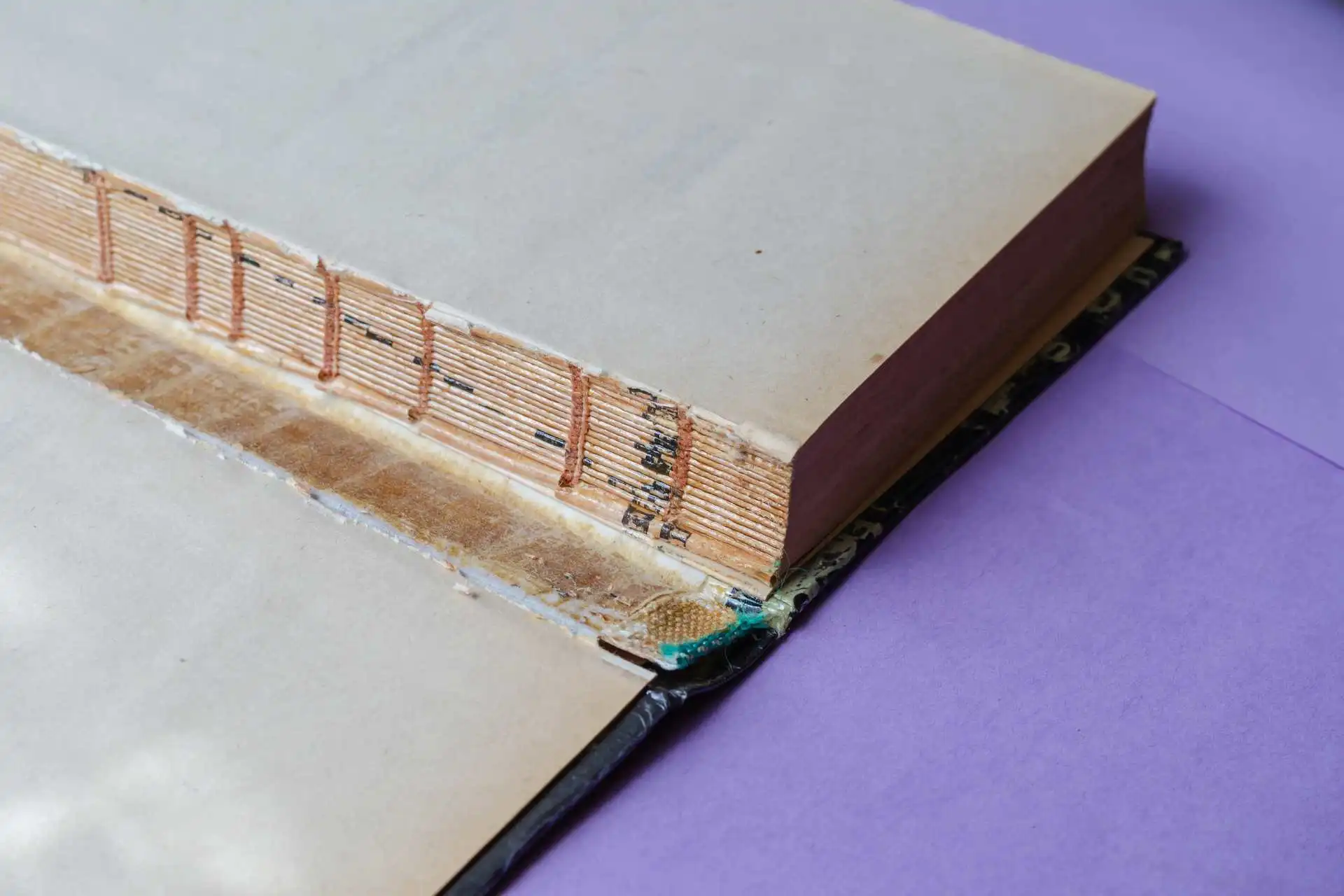
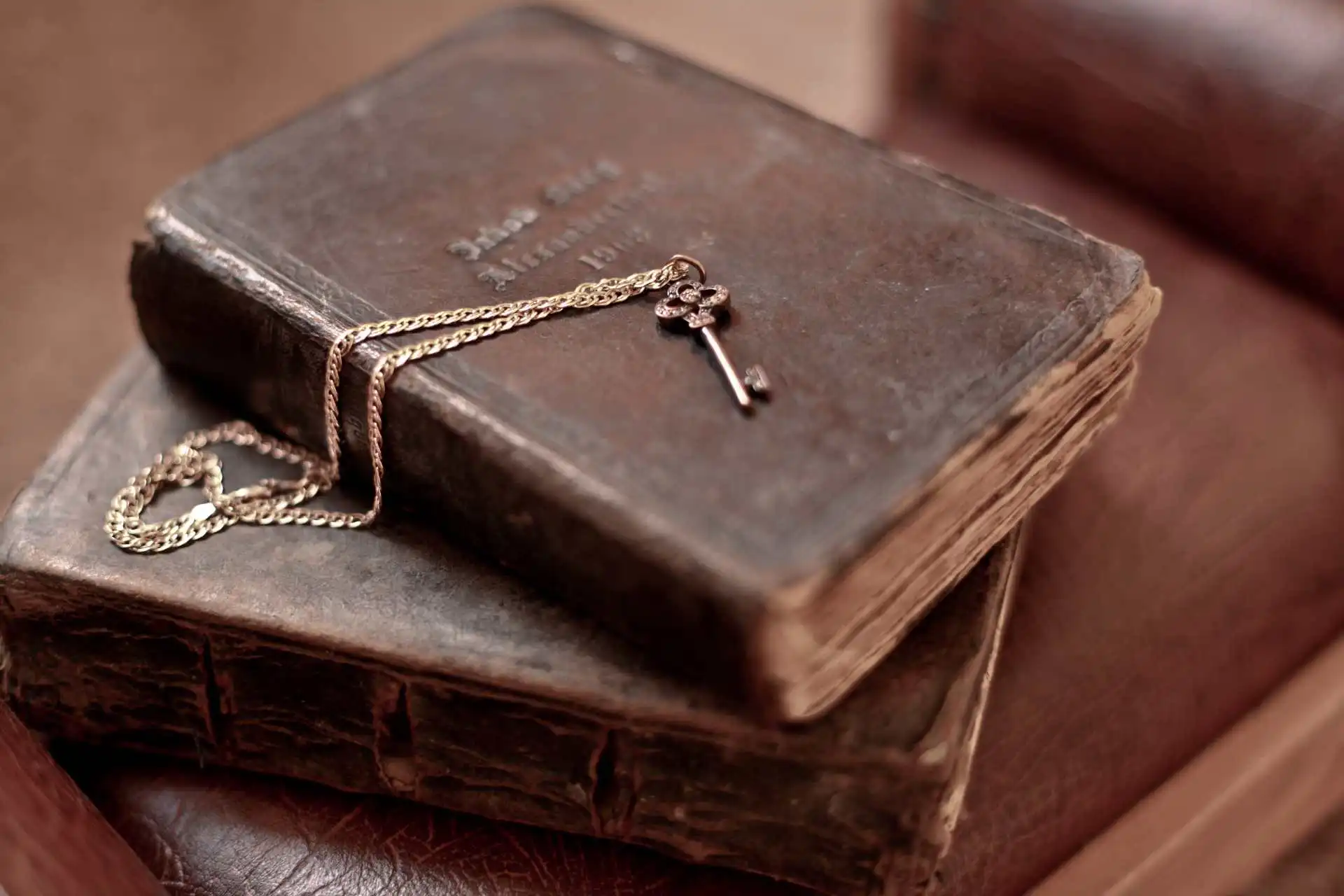
Dua belas jilid bersejarah dari koleksi akses terbuka The Metropolitan Museum of Art, dirilis CC0.
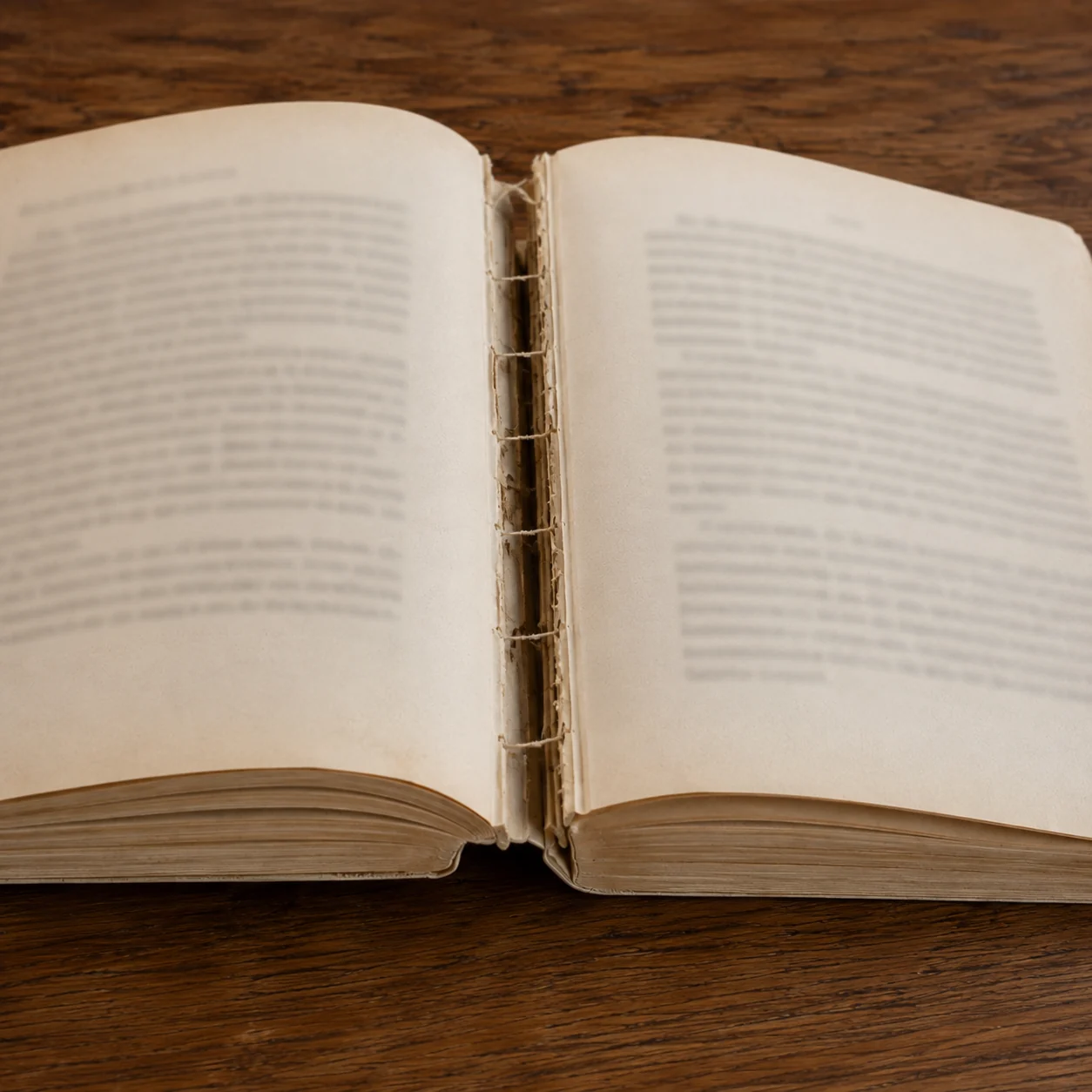
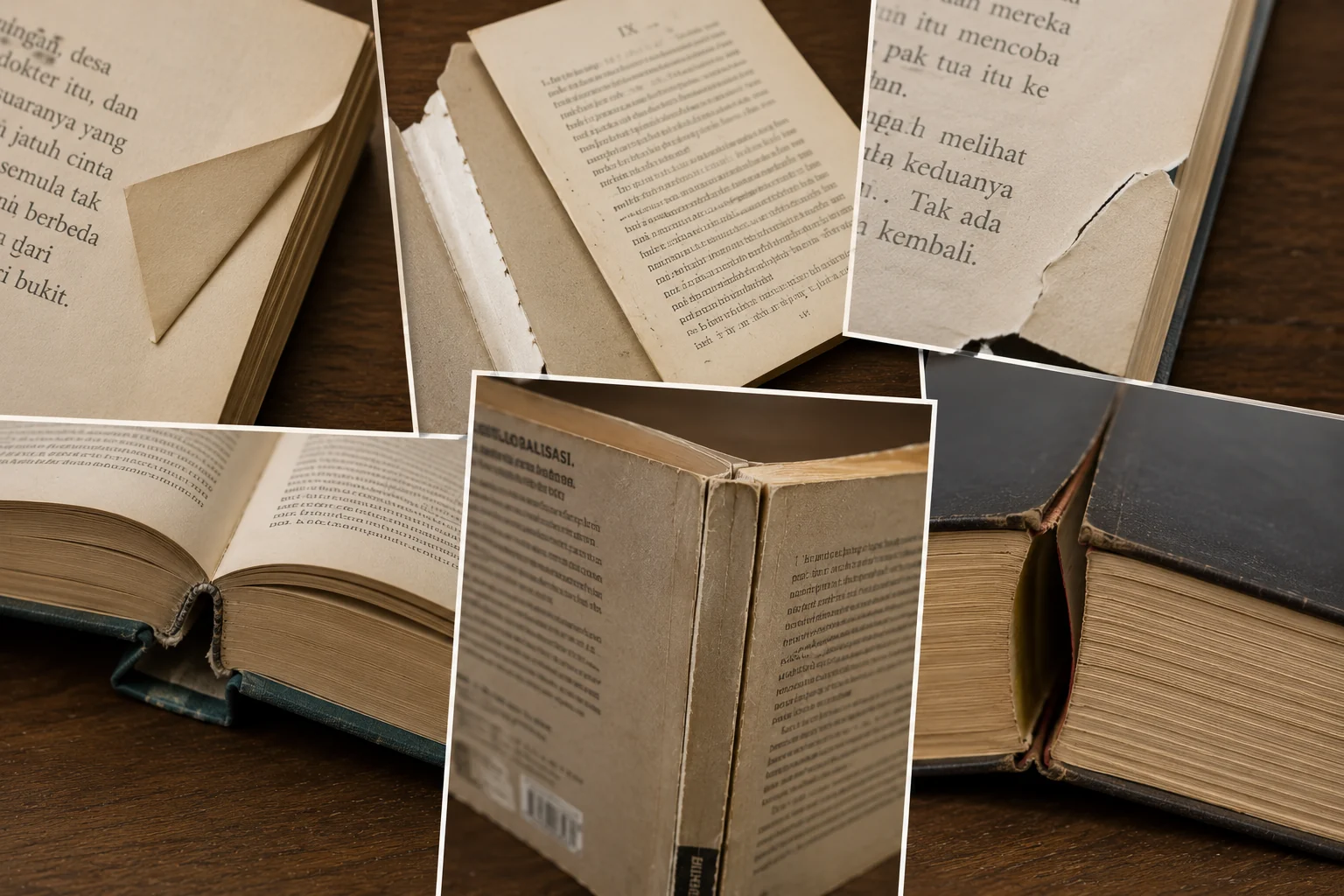
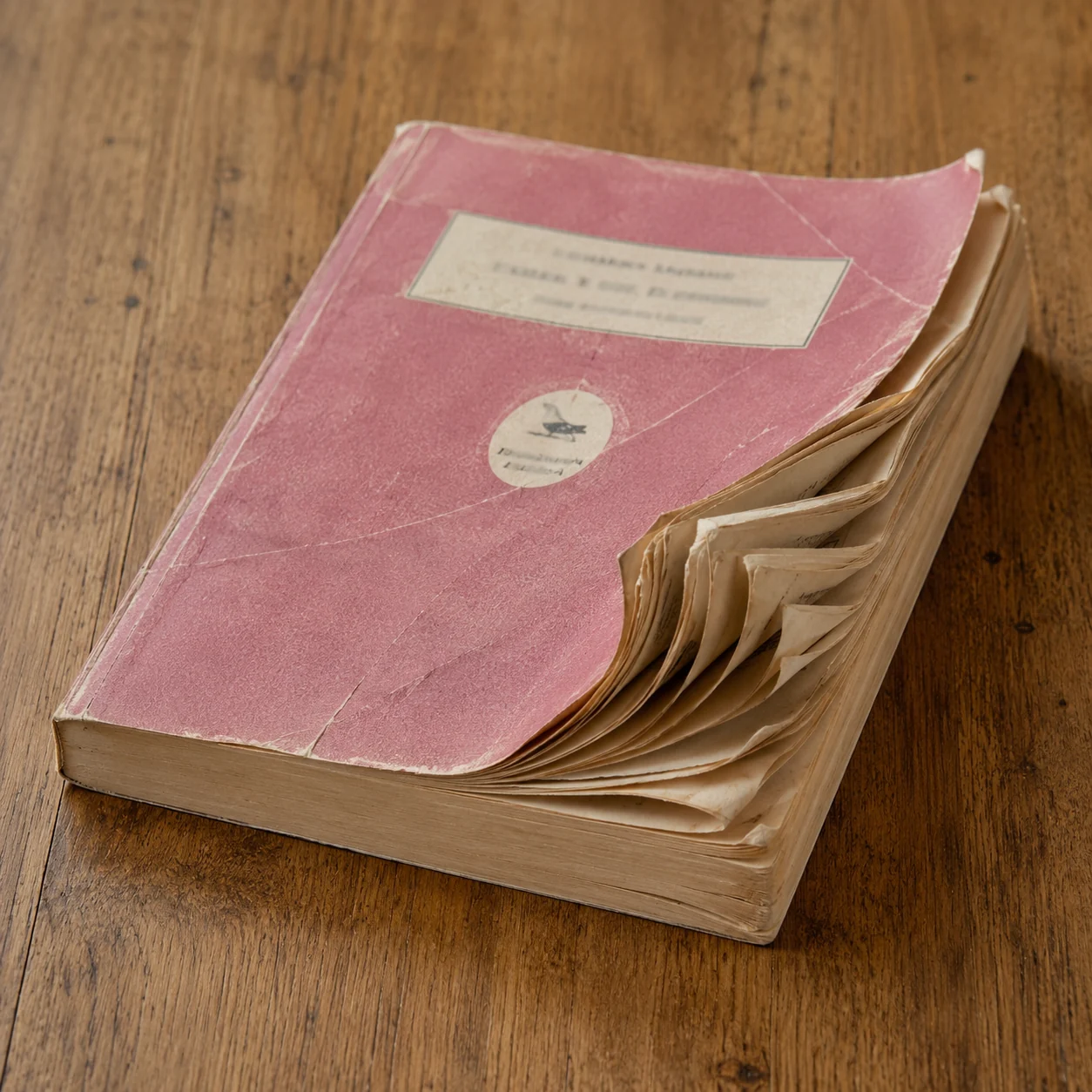
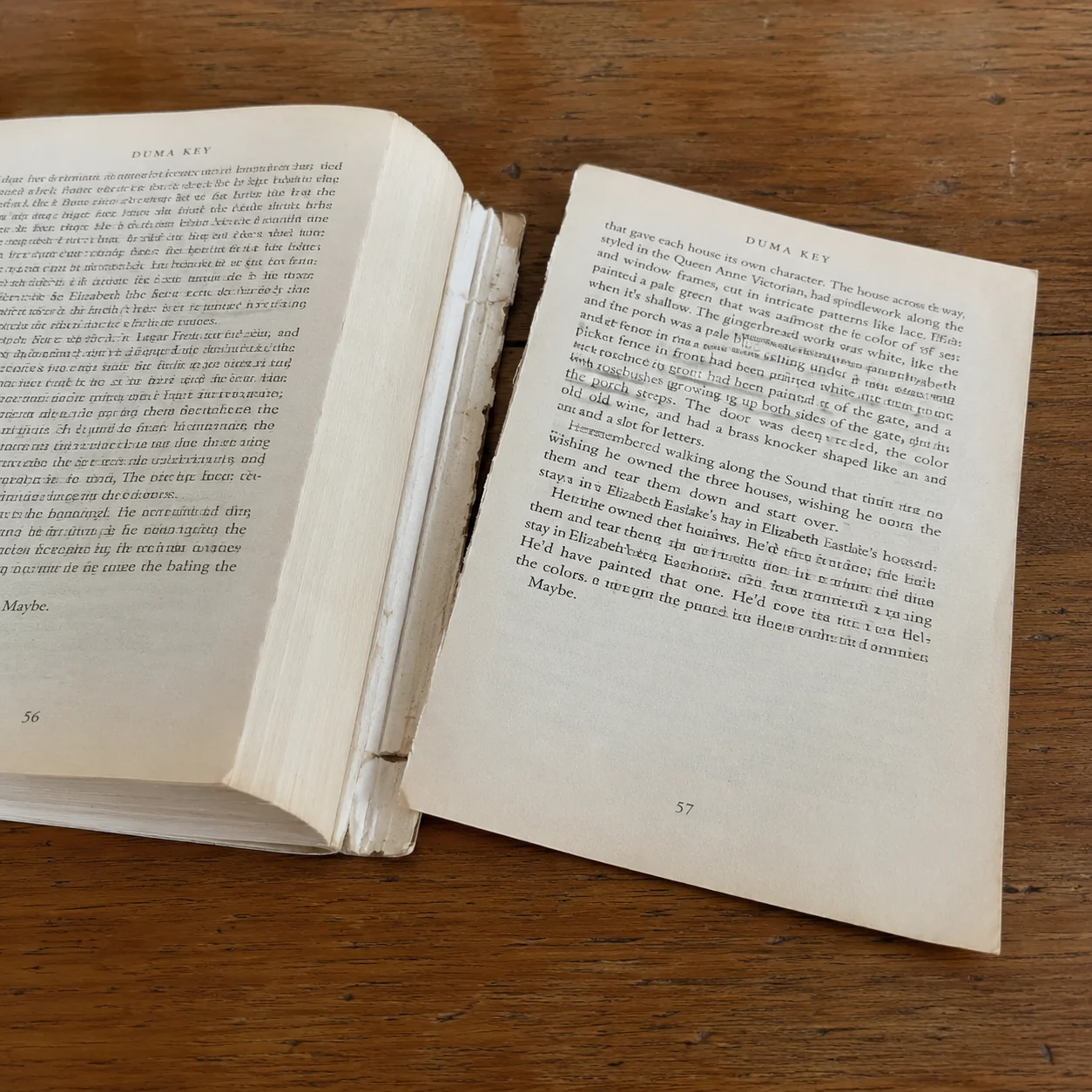
Adhesive failureLem kering/gagalLem punggung buku yang mengering dan getas sehingga halaman rontok (umum pada paperback tua).Hibrkraft ↗ Advance Copies Or SheetsCopies of a book bound, or in sheets, printed for preliminary notices or for publication in more than one place at a time.1911
Aldine Or Italian StyleOrnaments of solid face without any shading whatever, used by Aldus and other early Italian printers. The ornaments are Arabic in character, and are suitable for early printed books.1911
All-AlongWhen a volume is sewed, and the thread passes from kettle-stitch to kettle-stitch, or from end to end in each sheet, it is said to be sewed “all-along.”1890
All-Over PatternA small pattern constantly repeated.1911
Antique PaperA comprehensive term originally applied to machine-made papers made in imitation of old handmade printing papers, to denote colour and finish. It is now used to describe any bulky paper with a rough surface. The commoner qualities are known as featherweight.1911
Arming PressA species of blocking press used by hand; so called from the use of it to impress armorial bearings on the sides of books.1890
Art PaperA paper with a highly glazed surface, produced by a coating of mineral matter, adapted to half-tone printing.1911
AsteriskA star used by printers at the bottom of the pages meant to supply the places of those cancelled (see also CANCEL).1890
Azured ToolsTools having a series of close parallel lines cut horizontally upon their face, and are so called because the colour blue in heraldry is represented in this manner.1911
Back PagesThose on the left side of an open book.1911
Backing BoardsUsed when backing and for forming the groove. They are made of very hard wood, and sometimes faced with iron; are thicker on the edge intended to form the groove than upon the edge that goes towards the foredge, so that the whole power of the lying press may be directed towards the back.1890
Backing HammerThe hammer used for backing and rounding; it has a broad flat face similar to a shoemaker’s hammer.1890
Backing MachineA machmc for backing books, generally used for publishers' binding and cheap work.1911
Backs-The " back " margin of jxages; that part of the book which is sewn, when bound.1911
Band DriverA blunt chisel used in forwarding, to correct any irregularities in the bands of flexible backs.1890
Band NippersFlat pincers used for nipping up the band in covering.1890
BandingDecorating by means of horizontal stripes, mostly filled with ornament.1911
BandsThe cord whereon the sheets of a volume are sewn. When a book is sewn “flexible” the bands appear upon the back. When the back is sewn so as to imbed the cord in the back, the appearance of raised bands is produced by gluing narrow strips of leather across the back before the volume is covered.1890
BeadingThe small twist formed when twisting the silk or cotton in head-banding.1890
Beating HammerThe heavy short-handled hammer used in beating (generally about 10 lbs.).1890
Beating StoneThe bed of stone or iron on which books are, or were, beaten; now generally superseded by the rolling machine and standing press.1911
Bevelled BoardsVery heavy boards with bevelled edges; used for antique work.1890
Binder'S TitleThe title lettered by the binder on the back of a book. See also " Half title."1911
BindingA trade term for the best work. Applicable to any book well forwarded, lined with marbled or other special paper, silk headbands, and gilt with a narrow roll round the sides and inside the " squares."1911
Binding BookA register in which all books sent to the binder are recorded, with particulars as to lettering, style, colour, etc.1911
Binding Instruction Slip Or SheetA slip or folio sheet on which the instructions for binding a particular book, or books, are written for the binder's guidance.1911
Binding ProofSome rough edges left on a trimmed book, to show that it has not been cut down excessively.1911
BleedWhen a book has been cut down into the print it is said to have been bled.1890
BlockingThe impressing of gold leaf, metal foil, or other graphic media into the book-cover by means of a stamp having a raised surface. The term is also applied to the impressing of type, blocks, etc., without any intervening media, this operation being known as " blind blocking."1911
Blocking PressAnother and more general term for the arming press; one of the chief implements used in cloth work. Used for finishing the side of a cover by a mechanical process.1890
Blocks Or Blocking ToolsAn engraved stamp used for finishing by means of the blocking press.1890
BloomKabut putihLapisan putih seperti lilin/kabut pada permukaan cover kulit atau kain akibat lemak yang muncul ke permukaan.Hibrkraft ↗ BoardsAre of various kinds, each denoting the work it is intended for, such as pressing boards, backing, cutting, burnishing, gilding, etc.1890
BodkinA strong and short point of steel fixed in a wooden handle, for making the holes through the mill-boards. The slips upon the back of the book are laced through the holes for attaching the mill-board to the book.1890
Body Of The WorkThe text or subject-matter of a volume, so called to distinguish it from the preliminary matter, index, notes, etc.1911
BoleA red earthy mineral, resembling clay in character, used in the preparation for gilding edges.1890
BoltThe fold in the head and foredge of the sheets. The iron bar with a screw and nut which secures the knife to the plough.1890
Book-ShrineA box or chest, Tisually (irnamented, in which valuable books were placed.1911
BossesBrass or other metal ornamentations fastened upon the boards of books; for ornament or preservation.1890
BrittlenessKertas getasKondisi kertas yang patah jika ditekuk, biasanya karena tingkat keasaman (pH) yang tinggi.Hibrkraft ↗ BroadsideA large sheet of paper printed on one side.1911
BrochureLiterally, " a stitched work " (from the French " hrocher," to stitch). A short printed work of a few leaves, merely stitched together, and not hound; a pamphlet.1911
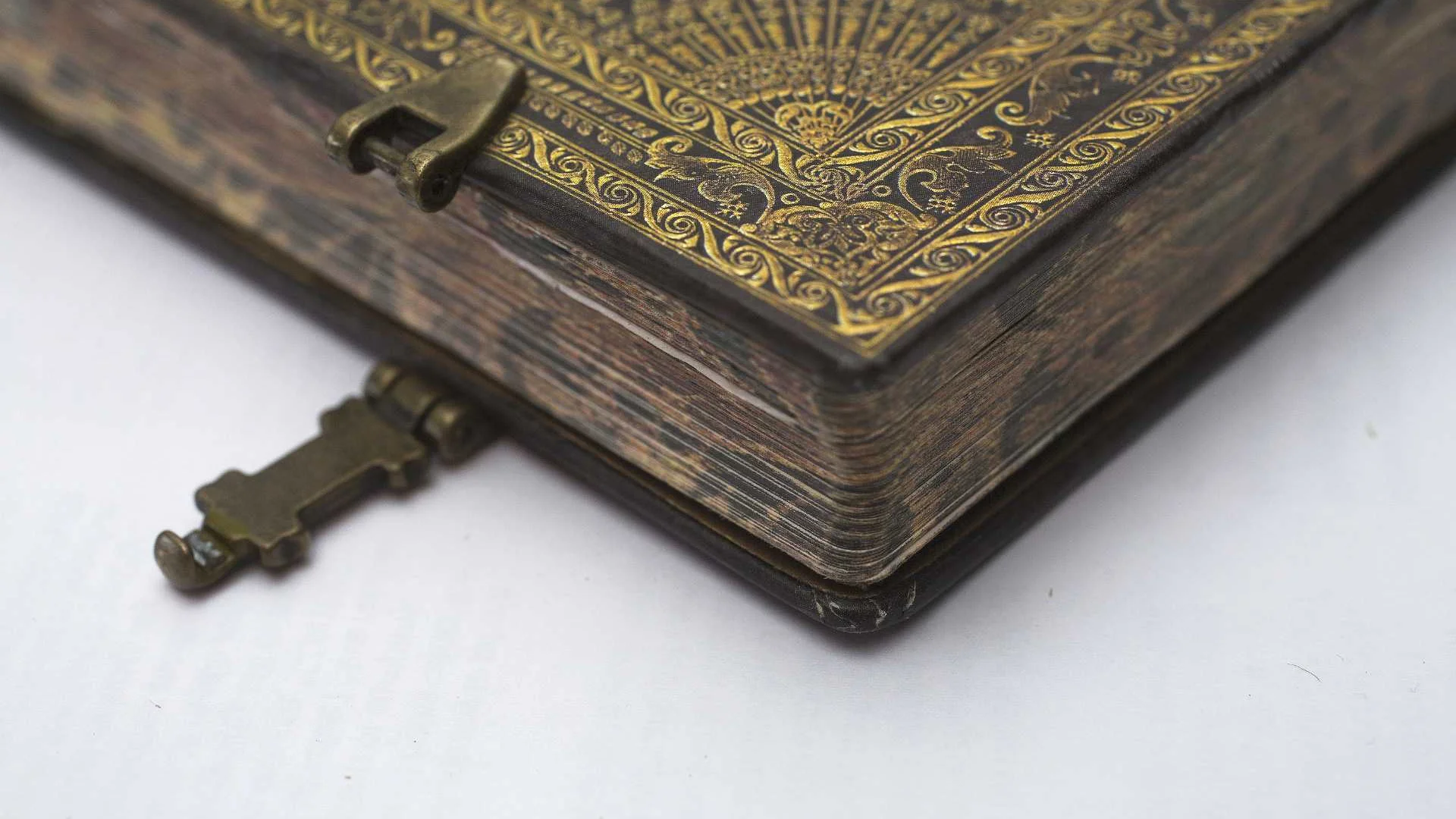
Broken claspsPengait rusakKerusakan pada aksesoris pengunci logam (biasa pada Alkitab tua atau album foto).Hibrkraft ↗ Broken OverWhen plates are turned over or folded a short distance from the back edge, before they are placed in the volume, so as to facilitate their being turned easily or laid flat, they are said to be broken over. When a leaf has been turned down the paper is broken.1890
Bundling PressA machine used for bundling and tying up the sheets or sections while under pressure.1911
BurnishThe gloss produced by the application of the burnisher to the edges.1890
BurnisherA piece of agate or bloodstone affixed to a handle, by means of which a gloss is produced on the edges of a book.1911
BurnishersPieces of agate or bloodstone affixed to convenient handles.1890
Calendered PaperPaper with a polished surface jirocured by the passing of the paper through a series of " calenders " or rollers.1911
Cameo BindingA binding having the centre of the boards stamped in relief, in imitation of antique gems or medals.1911
CancelA page, sheet, or other part of a printed book containing errors which are to be cut out and replaced by other printed matter. Such leaves are marked by the printer with an asterisk.1911
CancelsLeaves containing errors which are to be cut out and replaced by corrected pages (see ASTERISK).1890
CapThe envelope of paper used to protect the edges while the volume is being covered and finished.1890
CartoucheAn ornamental shield or tablet, with the edges cut up, perforated and ornamented, used as a field for the title of a book or an inscription.1911
Case-WorkWhen the cover is made independent of the book, the book being afterwards fastened into it. Refers principally to cloth and bible work.1890
CasingThe operation of inserting a sewn book into its " case."1911
Catch-LettersLetters (usually three) placed at the top of pages in dictionaries, gazetteers, etc., those on verso page generally representing the first letters of the first word on that page, and those on recto the first letters of the last word on that page.1911
Catch-WordA word used and seen in early printed books at the bottom of the page, which word is the first on the following page. To denote the first and last word in an encyclopædia or other book of reference.1890
Centre ToolsIndependent tools cut for the ornamentation of the centre of panels and sides.1890
ChequeringTo divide a surface like a chess-board in squares of alternately different ornament or colours, formed by equidistant vertical and horizontal lines.1911
ClaspThe hook or catch used for fastening the boards together when the book is closed; used formerly on almost every book.1890
ClaspsMetal hooks or catches used for fastening the boards of a book (when closed) together. Formerly used extensively, but seldom seen on modern books.1911
Clearing-OutRemoving the waste-paper, and paring away any superfluous leather upon the inside, preparatory to pasting down the end-papers.1890
ClothPrepared calico, sometimes embossed with different patterns, used for cloth bindings.1890
Cloth BoardsBooks bound in cloth-covered cases.1911
CocklingKertas bergelombangPermukaan kertas yang bergelombang/keriting, biasanya terjadi setelah terkena lembab dan kering tidak merata.Hibrkraft ↗ CollateTo examine a book by the signatures, or page by page, to see that the sheets are in proper sequence, and that none are in duplicate or missing.1911
CombAn instrument with wire teeth used in marbling.1911
CombsInstruments with wire teeth used in marbling.1890
Corner bumpingSudut tumpulSudut hardcover yang penyok atau tumpul akibat benturan atau jatuh.Hibrkraft ↗ CornersThe triangular tools used in finishing backs and sides. The leather or material covering the corners of half-bound books. The metal ornaments used usually in keeping with clasps.1890
CreaserThe tool used in marking each side of the bands, generally made of steel.1911
CroppedWhen a book has been cut down too much it is said to be cropped.1890
CrownA sheet of paper, 20 by 15 inches. Foho, 15 by 10; quarto, 10 by yh', octavo, yh by 5.1911
CumdachA rectangular box (usually made of bronze, brass or wood, and plated with silver or gold which was ornamented) which was made for the preservation of precious books. Also called book-shrine. CUT DOWN (AND UP).— When a plough-knife dips downward out of the level it is said to " cut down," and vice versa, " cut up."1911
CushionA leather cushion on which the gold leaf is cut.1911
Cut DownWhen a plough-knife dips downward out of the level it is said to “cut down”; on the contrary, if the point is out of the level upwards it is said to “cut up.”1890
Cutting PressThe " lying press " turned so that the side with the runners is uppermost.1911
Damaged gilt edgesTepi emas rusakLapisan emas pada sisi buku yang tergores atau memudar.Hibrkraft ↗ Date LabelA label to show dates of issue or return, generally attached by a thin line of paste to the front fly-leaf of lending library books.1911
Deckle EdgeThe rough or raw edge of paper; specifically the ragged edge of hand-made paper produced by the " deckle " or frame of the mould on which the paper is made.1911
DentelleAs the word expresses. A style resembling lace work, finished with very finely cut tools.1890
DiaperA pattern consisting of a simple figure constantly repeated in geometrical form; the pattern may consist of figures separated by the background only, or of com228 MANUAL OF LIBRARY BOOKBINDING partments constantly succeeding one another, and filled with a design1911
DieAn engraved stamp used for stamping a design.1911
Divinity CalfA dark brown calf used generally for religious books, and worked in blind or antique.1890
Dork A Petits FersSmall hand tools used in gilding and binding.1911
DotjbledIn finishing, when a tool is worked a second time and not placed exactly in the original position, it is said to be " doubled."1911
DoubledWhen in working a tool a second time it is inadvertently not placed exactly in the previous impression, it is said to be “doubled.”1890
DoublureThe inside face of the boards, especially applied to them when lined with leather or silk and decorated.1911
Dummy CopyA book composed of blank leaves made up to enable publishers and bookbinders to estimate their requirements.1911
EadingThe small twist formed when winding the cotton or silk in head-banding.1911
Edge-RolledWhen the edges of the boards are rolled, either in blind or in gold.1890
EmbossingThe act or process of producing raised figures or designs upon surfaces by means of sunken dies, the material being interposed between the sunken die and the raised counterpart. END-PAPERS,1911
End-PapersThe papers placed at each end of the volume and pasted down upon the boards.1890
Fanfare BindingsA temi derived from the title of a book bound for Charles Nodier by Thouvenin having fanfare for the principal word. The style consists of geometrical compartments formed by interlaced fillets, the intervening spaces being filled in with sprays of palm and laurel, and other foliated ornaments.1911
FeintA ruling term used to denote that the paper is ruled with faint cross lines.1911
FilletA cylindrical tool used in finishing, upon which a line or lines are engraved.1890
FinisherA person engaged in the work of " finishing."1911
FinishingThe department that receives the volumes after they are put in leather. The ornaments placed on the volume. The person who works at this branch is termed a finisher.1890
Finishing PressA small press, used for holding books when being finished.1890
Finishing StoveA heating box or fire used for warming the various tools used in finishing.1890
FlexibleWhen a book is sewn on raised bands, and the thread is passed entirely round each band. It is the strongest sewing done at the present time. This term is often misused for limp work, because the boards are limp or flexible.1890
Fly-TitleThe half-title in front of the general titlepage, or that dividing sections of a work.1911
FolderA flat piece of bone or ivory used in folding sheets, and in many other manipulations; called also a folding stick. A female engaged in folding sheets.1890
Folding MachineA machine invented to fold sheets, generally used in newspaper offices.1890
FolioA sheet of paper folded to form two leaves or four pages.1911
FormatThe size and shape of a book, e.g., octavo, quarto, etc.1911
ForwardingThe branch that takes the books after they are sewed, and advances them until they are put into leather ready for the finisher. The one who works at this branch is called a forwarder.1890
FountThe complete number of letters, etc., constituting a set of type.1911
French JointA joint formed by keejnng boards a short distance from the back, splitting boards and placing tapes between, allowing greater play at hinge and permitting the use of a much thicker leather than otherwise.1911
FrontispieceThe plate or illustration facing the titlepage of a book.1911
Full-BoundWhen the sides and back of a volume are covered with leather it is said to be full-bound.1890
GatheringCollecting the several sheets when folded, and arranging them in sequence according to the signatures. Machines for doing this work are called gathering machines.1911
Gauffre EdgesSee Edges. GAUGE. — The tool used in forwarding to take the correct size of the book, and to mark it upon the boards for squaring.1911
GiltApplies to both the edges and to the ornaments in finishing.1890
Gilt TopSee Edges. GLAIRE. — An adhesive substance (made by beating up the white of eggs) used to retain gold in finishing and edge gilding.1911
Gold CushionA cushion for cutting the gold leaf on.1890
Gold KnifeThe knife for cutting the gold; long and quite straight.1890
GougeA tool used in finishing; it is a line forming the segment of a circle.1890
Graining BoardsBoards used for producing a grain on calf and russia books. Grain of various form is cut in wood, and by pressure the leather upon which the boards are laid receives the impression.1890
GroovesThe projections formed on the sides of books in backing, to allow the boards to lie even with the back when laced in.1911
GuardsStrips of paper inserted in the backs or books intended for the insertion of plates, to prevent the book being uneven when filled; also the strips upon which plates are mounted.1890
GuidesThe groove in which the plough moves upon the face of the cutting press.1890
GuillocheAn ornamental pattern composed of intersecting curved lines.1911
GuillotineA machine for cutting paper, with a knife having a perpendicular action.1911
Guinea-EdgeA roll with a pattern similar to the edge of an old guinea.1890
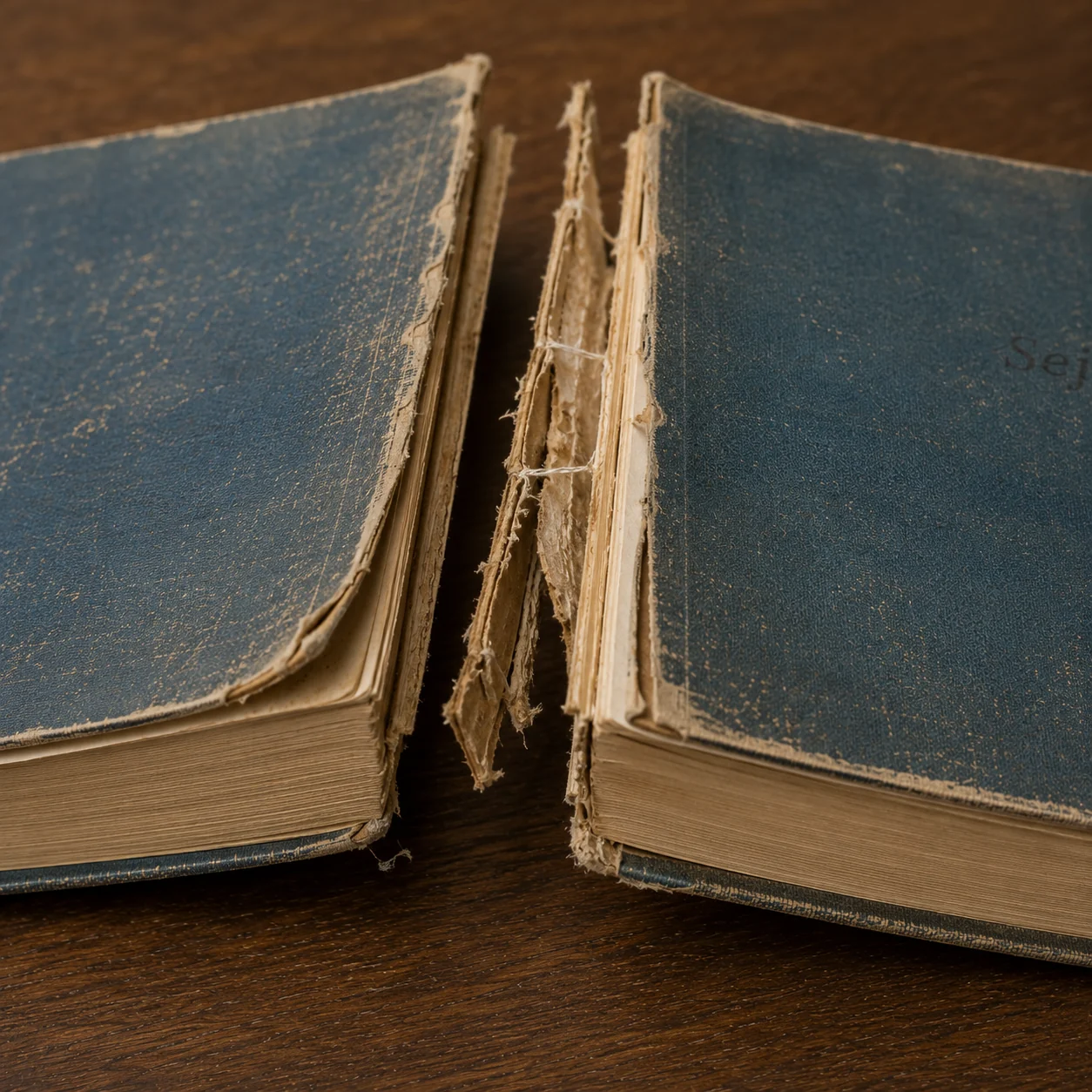
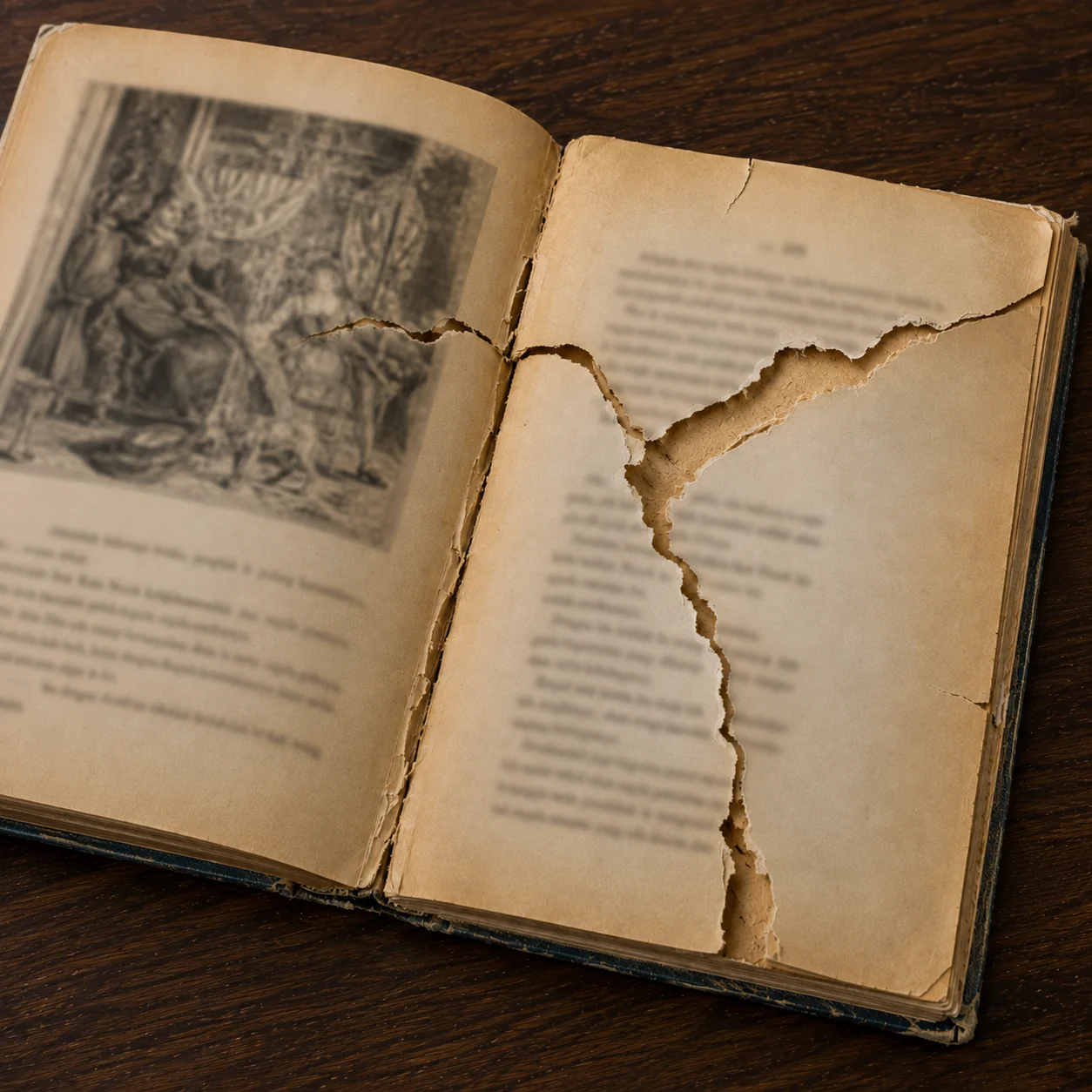
Gutter splitSobekan tengahKertas sobek tepat di bagian tengah/lipatan buku, sering terjadi pada buku musik atau atlas.Hibrkraft ↗ Half-BoundWhen a volume is covered with leather upon the back and corners; and the sides with paper or cloth.1890
Half-TitleThe short title preceding the full title-page. Also termed " Bastard title." HAND (OR HANDLE)1911
Hand-LettersLetters fixed in handles; used singly for lettering.1890
Head-BandThe silk or cotton ornament worked at the head and tail of a volume, as a finish and to make the back even with the boards.1890
Head-CapThe fold of leather over the head-band.1911
Headcap damageKerusakan kepala punggungBagian atas spine yang sobek/hilang karena kebiasaan menarik buku dari rak menggunakan jari telunjuk.Hibrkraft ↗ Hinge repairPerbaikan engselKerusakan pada area lipatan pertemuan antara cover dan blok isi buku (bagian dalam).Hibrkraft ↗ HoleingPiercing the boards with a bodkin for the slips to pass through.1911
Hollow BackA book bound with the leather, cloth, or other material attached at the joints, and not fastened to the back of the book itself.1911
Hydraulic PressA press used in edition binding. operated by the pressure of a liquid under the action either of gravity or of some mechanical device, as a force pump.1911
ImperfectionsSheets rejected on account of being in some respect imperfect, and for which others are required to make the work complete.1890
In BoardsWhen a volume is cut after the mill-boards are attached, it is said to be cut in boards.1890
India PaperA fine paper used for engravers' proofs.1911
India-RubberedBooks composed of single plates or leaves are sometimes coated at the back with a solution of indiarubber in lieu of guarding or overcasting.1911
Ink/Oil StainsNoda Tinta/MinyakNoda asing yang meresap ke dalam serat kertas. Penanganan tergantung jenis pelarut yang aman bagi kertas.Hibrkraft ↗ Inlaying Or OnlayingAdding a different leather from that of the cover for decorative purposes.1911
InsetThe inner pages of a sheet, cut off in folding certain sizes; to be inset in the centre of the sheet.1890
Inside MarginsThe border made by the turn-in of the leather on the inside face of the boards.1911
InterlacingOrnament composed of bands, etc., woven together.1911
InterleafAn extra leaf, usually blank, inserted between the regular leaves of a book.1911
Jansenist StyleApplied to bindmgs devoid of ornamentation on the outside of the covers, sometimes having, however, elaborately tooled doublures. The name is taken from Jansenius, Bishop of Ypres, who avoided the decoration of the altar.1911
Japanese VellumA costly hand-made Japanese paper, manufactured from the inner bark of the mulberry tree, having a vellum surface.1911
Japon VellumA British made substitute for Japanese vellum.1911
JointsThe projection formed in backing to admit the mill-boards. The leather or cloth placed from the projection on to the mill-board is called a joint.1890
Kettle-StitchThe chain-stitch which the sewer makes at the head and tail of a book. A corruption of either chain-stitch, or catch-up stitch.1890
KeysLittle metal instruments used to secure the bands to the sewing press.1890
Knocking-Down IronA piece of iron having a small leg in the centre by which it is secured in the lying press. When fastened there it is used to pound or beat with a hammer the slips into the boards after they are laced in, so that they do not show when the book is covered.1890
Lacing-InAttaching the boards by the operation of passing the slips, on which the book is sewn, through holes pierced in the boards.1911
Large-Paper EditionCopies of a work printed on paper with wide margins.1911
Law CalfLaw books are usually bound in calf left wholly uncoloured, hence the term for white calf.1890
Lay CordsThe cords, stretched on the sewing frame, to which the sheets of a book are sewn.1911
LeatherettePaper or cloth having a surface in imitation of leather.1911
Lettering BlockA piece of wood, the upper surface being slightly rounded, upon which side labels are lettered.1890
Lettering BoxA wooden box in which hand-letters are kept (see HAND-LETTERS).1890
LettersLetters fixed in handles, and used singly for lettering.1911
Lining-PapersThe coloured or marbled paper at each end of the volume. Called also end-papers.1890
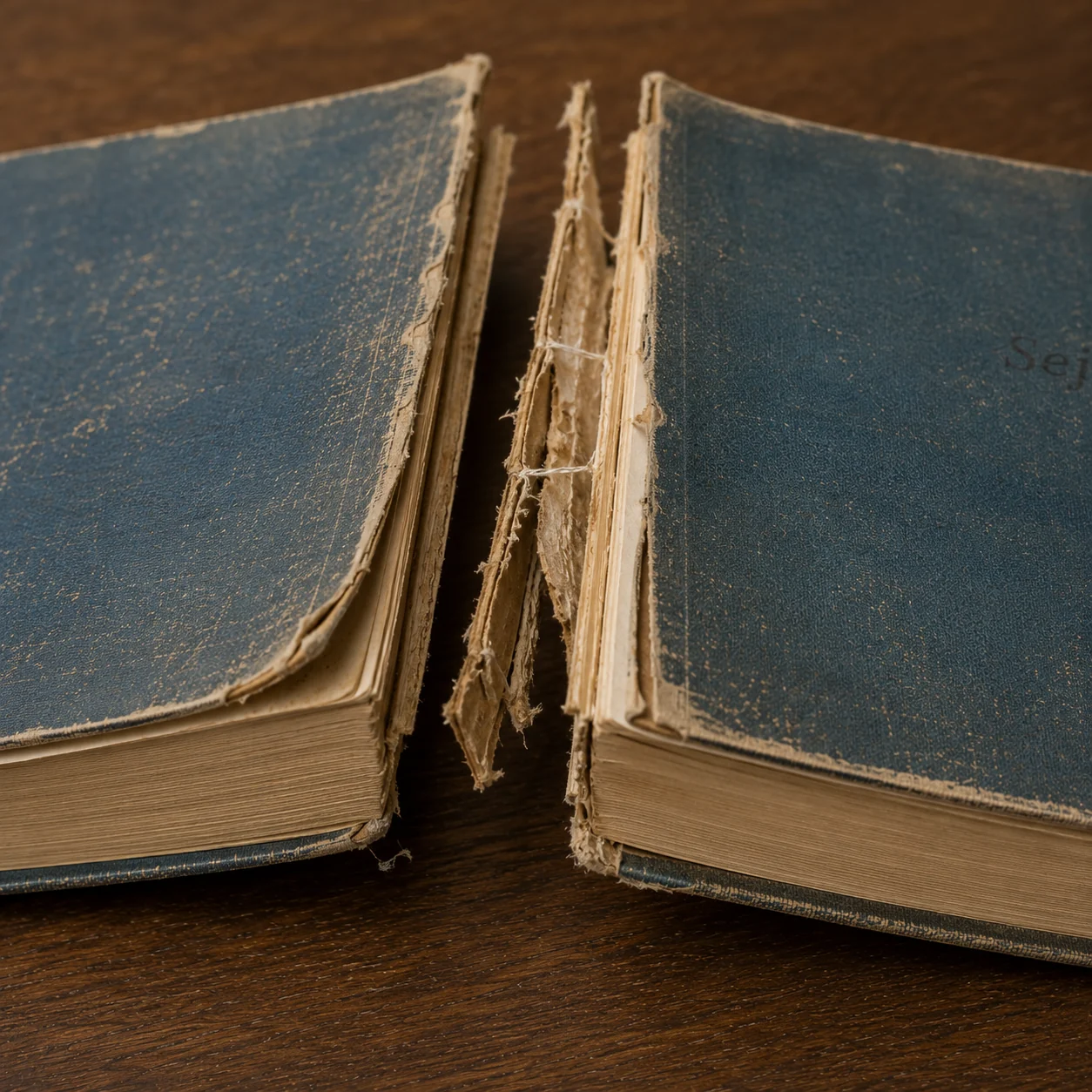
Loose signaturesSeksi longgarSatu kumpulan lipatan halaman (kurras) yang benang jahitnya putus sehingga mau terlepas dari blok buku.Hibrkraft ↗ LushA book having its cover and edges quite even, the cutting operation having been done after the cover (usually paper boards or limp cloth) had been attached to the book. CUTTER,1911
Magazine CaseA cover for periodicals, usually having some contrivance for holding the magazine — cord, rod, etc. Also called " Periodical case " and " Reading case."1911
MarblerOne who marbles the edges of books and paper.1890
MarblingThe art of floating various colours on a size, from which it is transferred to paper or book edges. To stain or vein leather like marble.1890
Marking-UpWhen the back of a book is being marked for flexible sewing.1890
Mill-BoardThe boards that are attached to the book. Various kinds are in use now; the most common is made of straw, the best of old naval cordage.1890
MillboardLarge scissors used for cutting and squaring millboard. SHEETS, IN. — Sheets not folded, or if folded not bound.1911
Millboard MachineA machine used for cutting and squaring boards. The edge cut by this machine is not so square as that cut by the plough, and it should, therefore, only be used for cheap work.1911
Missing endpapersKertas katan hilangHilangnya kertas polos yang menempelkan blok buku ke cover bagian dalam.Hibrkraft ↗ Missing ribbonsPita pembatas hilangPita penanda halaman yang putus atau tercabut dari punggung buku.Hibrkraft ↗ MitredWhen the lines in finishing meet each other at right angles without overrunning each other, they are said to be mitred. Joined at an angle of 45°.1890
MosaicA decoration formed by inlaying small pieces of leather of various colours to form a pattern.1911
MullA thin loosely woven cotton cloth glued on to the backs of books to help to hold the sections together. Known as " Super " in America.1911
Mutton-ThumperAn old term indicating a bad workman.1890
Mutton-ThumpingA term used in bygone days, indicating the common binding of school books in sheep-skin.1890
NetworkA design made of intersecting lines forming squares set lozengewise.1911
Ng The Head-BandAdjusting the leather hi covering so as to form a kind of cap to the head-band.1911
Oard PapersThe parts of the end-papers which are pasted to the boards.1911
Off-SetThe impression made by the print against the opposite page, when a book has been rolled or beaten before the ink be dried. (Also SET-OFF.)1890
Or Cutting MachineThe machine by which the edges of the leaves of books are cut or trimmed. See also Rotary Cutting Machine.1911
Or Lining-PapersThe sheets placed at the beginning and end of a volume, half of each being pasted down upon the boards. Some end-papers are blank, others are coloured or printed, and others are marbled.1911
Out Of BoardsWhen a volume is cut before the boards are affixed, it is done out of boards. Nearly the whole of common work is done out of boards.1890
OvercastingAn operation in sewing, when the work consists of single leaves or plates. Over-sewing.1890
PalletThe tools used for finishing across backs.1890
PanelA compartment of the external cover of a book enclosed in a border or frame; also the space between two bands on the back of a book.1911
Papering-UpCovering the edges after they are gilt, to protect them while the volume is being covered and finished (see CAP).1890
ParingReducing the edges of the leather by forming a gradual slope.1890
PeelA wooden instrument used to hang up damp sheets for drying.1890
PencilA small brush of camel’s hair used for glairing.1890
PiecedAny space that has another leather upon it, as a lettering piece.1890
PlateAn illustration printed from a plate. Term often incorrectly applied to illustrations printed from woodcuts. Any full-page illustration printed on different paper to that of the book is usually called a " plate."1911
PloughThe instrument used for cutting the edges when the book is in the lying press.1890
PocketA slip or small envelope pasted on to the inside of the front (or back) board of a book, to form a pocket for the book-card. The envelope made to receive loose maps, etc.1911
Pointille StyleThe style associated with the name of Le Gascon ; the designs are worked in innumerable gold dots.1911
PointsSmall holes made in the sheets during the printing process which serve as guides in registering when the sheets are folded by machinery.1911
PolaireThe leather cases or satchels in which the ancient monks placed their books.1911
PolisherA steel instrument for giving a gloss to the leather after finishing.1890
PolytychA codex consisting of several leaves.1911
PressOf various kinds, viz.: lying, cutting, standing, blocking, finishing, etc.1890
Press PinA bar of iron used as a lever for standing presses; a smaller kind for lying presses.1890
PressesThese are of several kinds, namely, lying, cutting, standing, blocking, and finishing presses. The frame on which a book is sewn is called a " sewing press."1911
Pressing BlocksBlocks of wood used for filling up a standing press when there are not enough books.1890
Pressing BoardsBoards used for pressing books between.1890
Pressing PlatesPlates of metal japanned or nickelled, used for giving finish to the leather on a book.1911
ProofThe rough edges of certain leaves left uncut by the plough, are “proof” that the book is not cut down (see also WITNESS).1890
Publisher'S BindingThe original cover of a book, generally cloth-cased work. .1911
PulledWhen a book is cut from its cover and all the sheets are separated.1911
Quarter-BoundA book with leather back and cloth or paper sides.1911
QuireTwenty-four sheets; also, a set of all the sheets required to make one complete book.1911
RaspedThe sharp edge taken off mill-boards.1890
Re-CasingThe re-insertion of a book into its original cover, with or without re-sewing.1911
RectoThe right-hand jiage of a book; always the odd page.1911
RegisterThe ribbon placed in a volume for a marker. A list of signatures attached to the end of early-printed books for the use of the binder. In printing—when on looking through a leaf the print on the recto and verso is not exactly opposite, it is said to be out of register.1890
Rol'NdingThe term applied to the process of rounding the back of a book, to prevent an objectionable concave form.1911
RollA hand-tool having a brass wheel on the circumference of which is engraved a pattern which reproduces itseh as the wheel is rolled over the leather.1911
Rolling MachineA machine introduced to save the labour of beating, the sheets being passed between two revolving cylinders.1890
RollsCylindrical ornamental tools used in finishing.1890
Rotary Cutting MachineA machine for cutting millboards and strawboards which has a series of circular cutters.1911
Rounding And Backing MachineA machine that rounds and backs books by one continuous operation.1911
Roxburghe BindingPlain leather back, no raised bands, lettered in gold near the top, cloth or paper sides, leaves gilt at top, otherwise unopened.1911
Run-UpWhen the back has a fillet ran from head to tail without being mitred at each band, it is said to be “run-up.”1890
RunnerThe front board used in cutting edges.1890
RwarderA person engaged in the work of " forwarding."1911
Sawing MachineA machine for sawing the backs of books quickly.1890
Sawing-InWhen the back is sawn for the reception of the cord in sewing.1890
Sawtng MachineA machine which does the work of sawing-in." 240 MANUAL OF LIBRARY BOOKBINDING1911
Set-OffPrint is said to " set-off " when part of the ink from a page is impressed on the opposite page. This will happen as a result of rolling or beating while the ink is damp. Sometiines termed " off-set."1911
Setting The Head-BandAdjusting the leather in covering so as to form a kind of cap to the head-band.1890
SewerThe person who sews the sheets together on the sewing press—generally a female.1890
SewingThe operation of fastening together with thread or wire the sections of a book. The process is distinct from stabbing and stitching.1911
Sewing MachineA recent invention for the sewing of books with wire and thread.1890
Sewing PressA frame, consisting of a board having on one side two upright columns, connected at the top by a cross-piece, between which and the base are stretched tapes or cords to which the sections of a book are successively sewed.1911
Shaving TubThe paper cut from the edges of a volume are called shavings. The receptacle into which they fall while the forwarder is cutting is termed the shaving tub.1890
ShearsLarge scissors used for cutting up mill-boards.1890
SheepAn old term for all common work covered in sheep-skin.1890
SignatureThe letter or figure under the footline of the first page of each sheet, to indicate the order of arrangement in the volume.1890
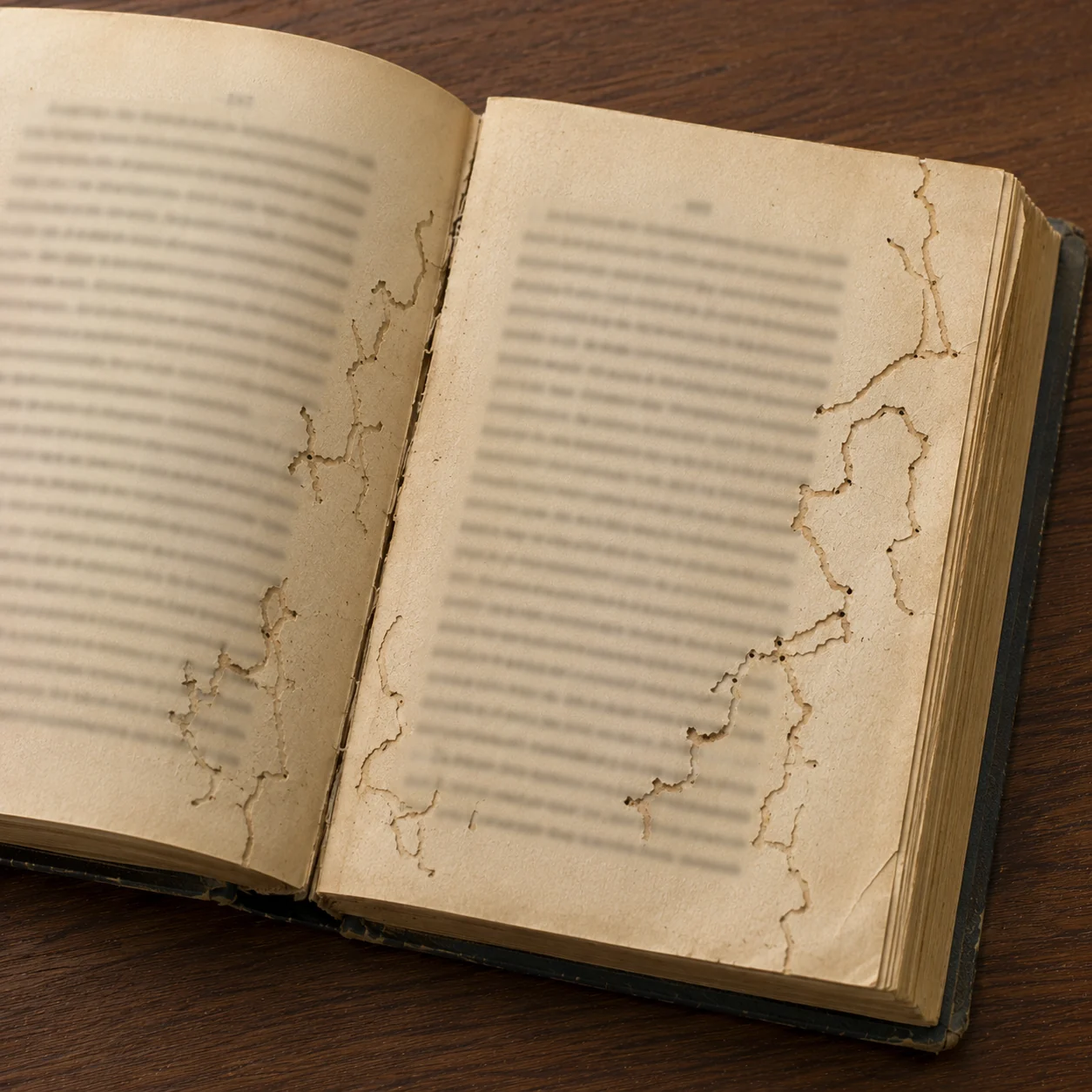
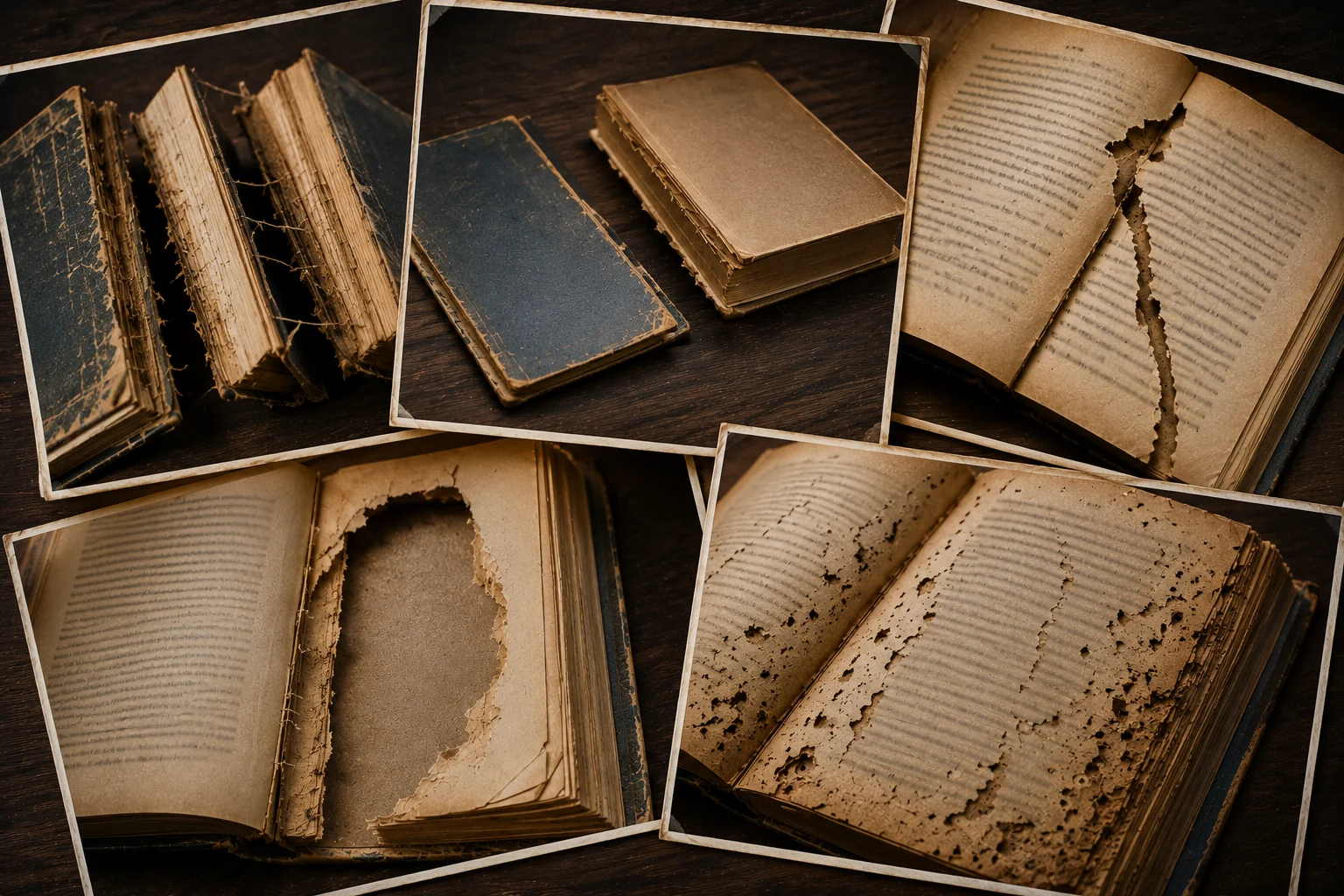
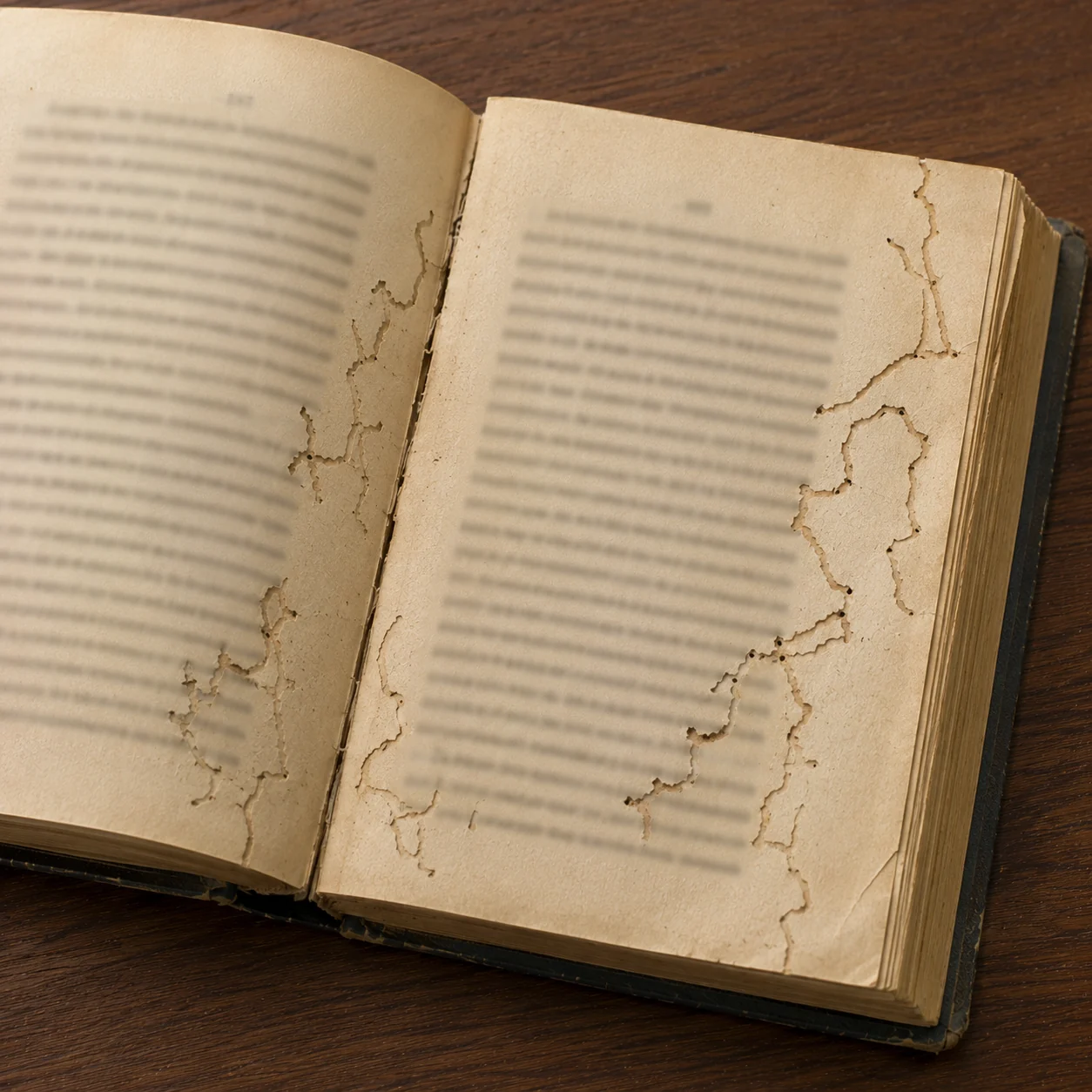
Silverfish damageKerusakan gegatLubang-lubang kecil tak beraturan pada permukaan kertas akibat dimakan serangga gegat (silverfish).Hibrkraft ↗ SizeA preparation used in finishing and gilding, formerly made with vellum, but can now be bought ready for use. When used on paper a thin solution of glue.1890
Size CopyA dummy of blank paper to show size of bound book. ;1911
SlipsThe pieces of twine that project beyond the back of the volume after it is sewn.1890
SpottingAs powdering, but with a geometric basis, the ground occupying larger space than the ornament.1911
SquaresThe portions of the boards that project beyond the edges after the book is cut.1890
StabbingThe binding together of one or more sections with wire or thread passed vertically through the left-hand side of the folded sheets. Piercing the boards with a bodkin for the slips to pass through is sometimes termed " stabbing."1911
Stabbing MachineA small machine used for making the holes through the backs of pamphlets.1890
StampAn engraved block, die or the like, upon which is cut the design for the sides or back of a book.1911
Standing PressA fixed heavy press with a perpendicular screw over the centre.1890
StartWhen any of the leaves are not properly secured in the back, and they project beyond the others, they are said to have started. When the back has been broken by forcing the leaves they start.1890
StiffenerA thin mill-board used for various purposes.1890
StitchingThe operation of passing the thread through a pamphlet for the purpose of securing the sheets together.1890
StopsSmall circular tools, adapted to “stop” a fillet when it intersects at right angles; used to save the time mitringmitreing would occupy.1890
Straight-EdgeA small board having one edge perfectly straight.1890
Sub-TitleA bastard, fly, or half-title placed before the lull title page.1911
TackySticky. TAG. — A small label pasted to the back of a library book, on which the call number or classification symbol is written or printed. 242 MANUAL OF LIBRARY BOOKBINDING1911
Tape damageKerusakan selotipNoda kuning lengket atau kering akibat penggunaan selotip biasa untuk menambal sobekan di masa lalu.Hibrkraft ↗ Tenon SawA small saw used by bookbinders for sawing the books for sewing. More strictly speaking a carpenter’s tool.1890
Three-Quarter BoundWhen the leather is attached to the back and a fairly large portion of the sides and corners of a book it is said to be " three-quarter bound."1911
Thrown OutMaps, tables, or diagrams likely to be much consulted during the reading of a book, are sometimes " thrown-out " by the binder. This is done by making the " guard " the size of the page and pasting in at end of book, so that the map, etc., may remain in view during reading. TICKET (French, ETIQUETTE).— The small label bearing the binder's name, sometimes affixed to the inner boards.1911
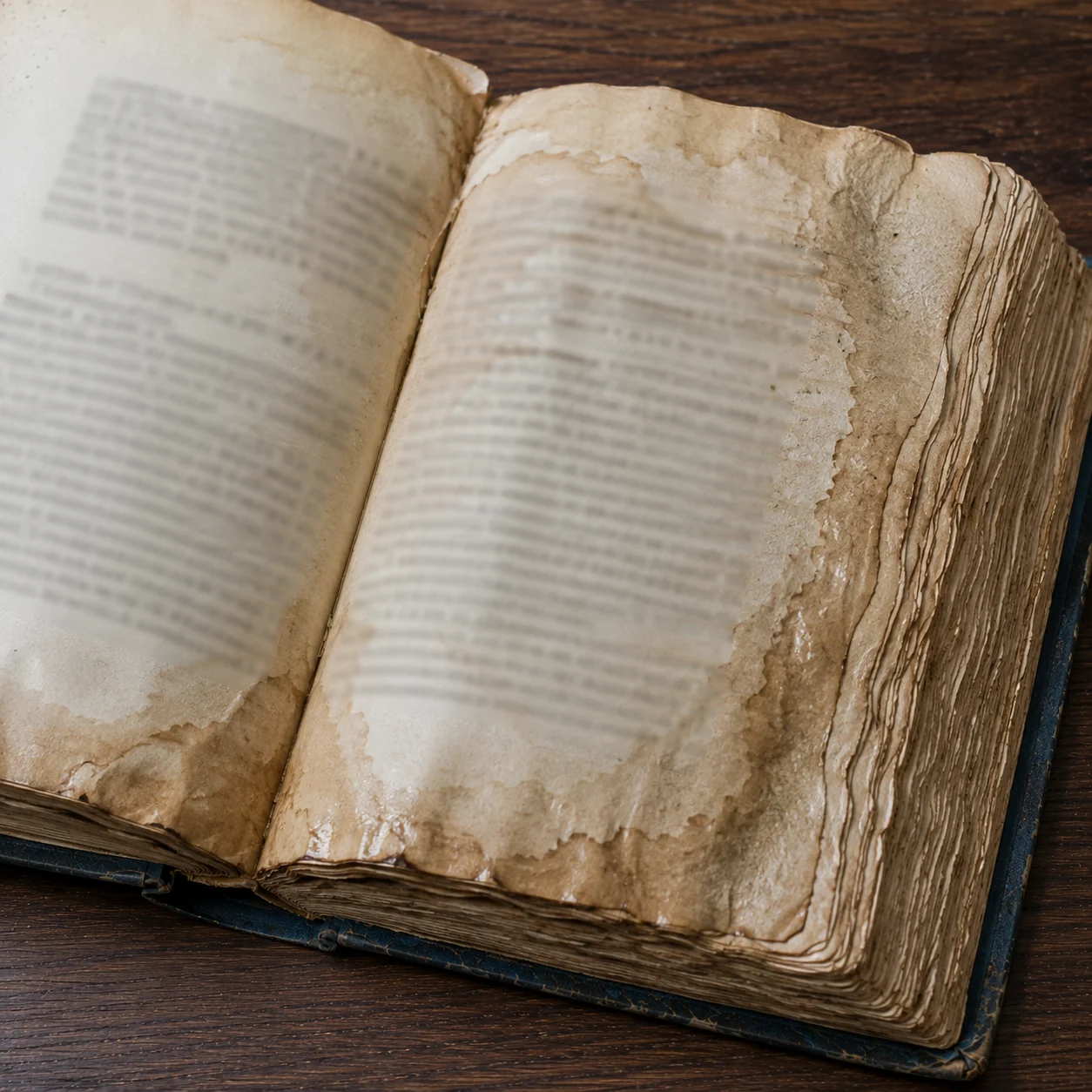
TidelinesGaris batas airGaris noda kecoklatan yang tertinggal di kertas setelah air menguap/kering.Hibrkraft ↗ TiesSilk, leather, cord, or other slips are sometimes attached to the boards of books for decorative purposes, or to prevent sagging; their use is justified only in the case of thick volumes, containing many folded maps or plates, which are liable to sag.1911
Tight BackThe cover of leather or other material pasted or glued to the back of the book, so that it does not become hollow when open.1911
TippingWhen a single leaf is pasted on to a section of a book it is said to be " tipped in."1911
TitleThe space between the bands upon which the lettering is placed. The leaf in the beginning of a book describing the subject.1890
ToolThe metal implement on which is cut the ornament or part of ornament which is to be transferred to the book-cover.1911
ToolingThe ornamentation obtained by impressing the heated tools on the covering material.1911
ToolsApplied particularly to the hand stamps and tools used in finishing.1890
Torn dust jacketJaket buku sobekKerusakan pada sampul kertas lepas pelindung hardcover.Hibrkraft ↗ TrimmingShaving the rough edge of the leaves of a book that is not to be cut.1890
TriptychA codex consisting of three leaves, hinged or tied together.1911
TubThe stand which supports the lying emd cutting press. Originally an actual tub to catch the shavings.1911
Turning-UpThe process of cutting the foredge in such a manner as to throw the round out of the back until the edge is cut. All books that are cut in boards have a pair of trindles thrust between the boards and across the back to assist the operation.1890
Two Sheets OnThe niethocl of sewing books when two sections are treated as one. In hand-sewing two sheets at a time are placed on the sewing-frame ; the thread is passed from the kettle-stitch of the lower section, and brought out at the first tape or cord, when it is inserted in the upper section, and so on. In hand-sewing or machine-sewing by this method two sections only receive the same number of stitches as one sheet would do by the " all along" method.1911
Tying-UpThe tying of a volume after the cover has been drawn on, so as to make the leather adhere better to the sides of the bands; also for setting the head-band.1890
TypeMetal letters used in printing and lettering.1890
Type-HolderAn instrument for holding the type when used for lettering.1890
Uncut EdgesSee Edges. UNOPENED. — A book is said to be unopened when the bolts or folds of the sheets are uncut.1911
Ut Of BoardsWhen a volume is cut before the boards are affixed.1911
VarnishUsed as a protection to the glaire when polished on the covers of books.1890
VolumeA book distinguished from other books or volumes of the same work, by having its own title, paging, and register.1911
WasteThe advertisement sheets, etc., generally to be 244 MANUAL OF LIBRARY BOOKBINDING found at the beginning and end of serial publications, are termed " waste."1911
WatermarkThe wire-mark or design in a sheet of paper to distinguish the maker or mill, consisting of a semi-translucent name or device seen when the paper is held against the light.1911
Waterproof SheetsSheets of celluloid such as are used by photographers.1911
WhippingAnother term for overcasting, but when longer stitches are made.1890
Whole BoundA book wholly covered with one piece of the same material. Also termed " Full bound."1911
Wire StitchingThe fastening of a single section with wire driven through the centre of the fold and clinched.1911
WitnessWhen a volume is cut so as to show that it has not been so cut down, but that some of the leaves have still rough edges. These uncut leaves are called “Witness” (see PROOF).1890
Wtre SewingSewing the sections of a book with wire staples driven through the centre of the sections and through tapes, canvas or muslin, to which the staples are clinched.1911
XtraIn the best manner: coloured end leaves, double head-bands, etc.1911
Ying PressA small portable press of wood in which pressure is given at the ends of two stout square blocks by two large wooden screws. The under side of the cutting press, used in backing. Erroneously called a " laying press."1911

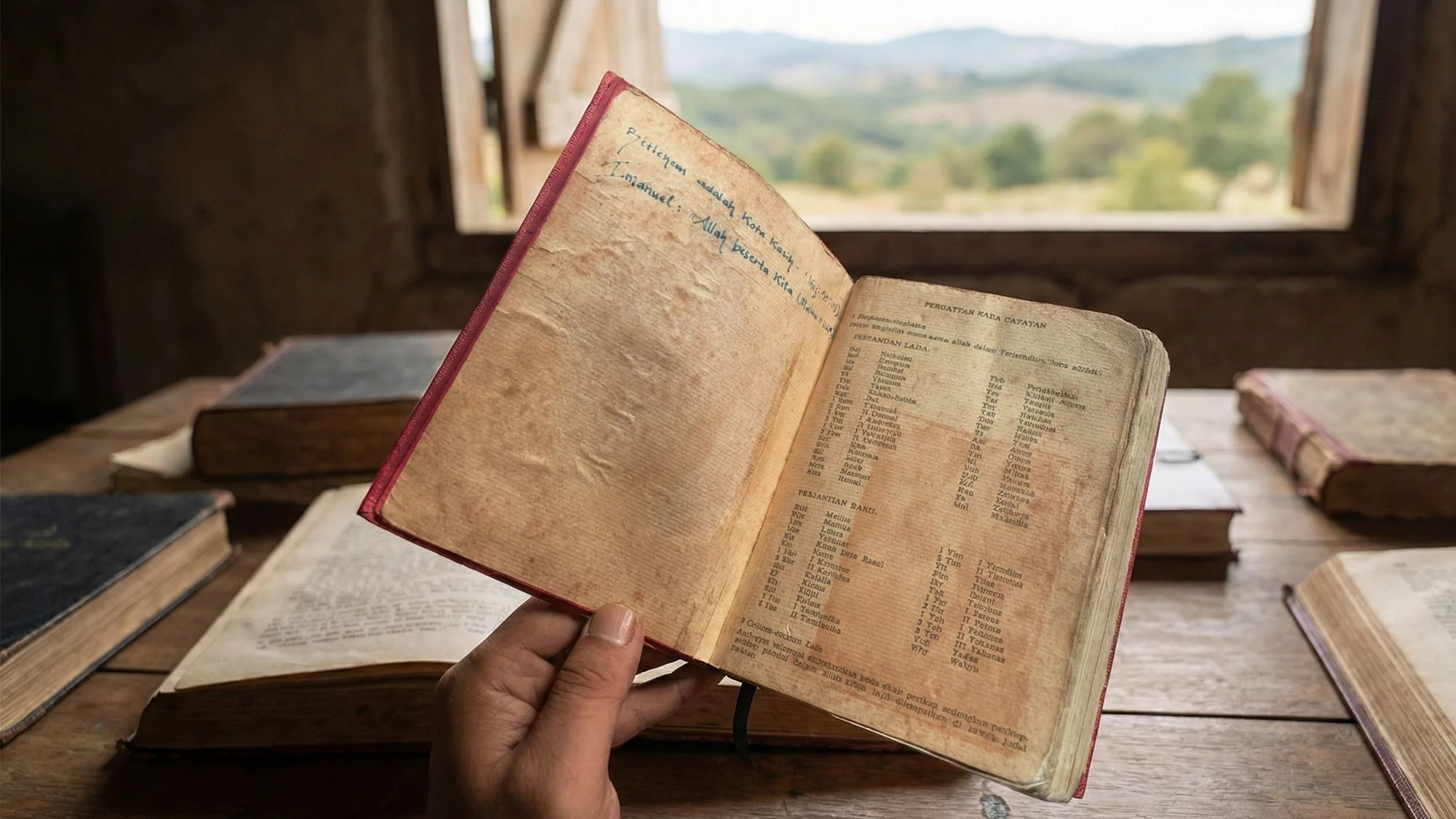



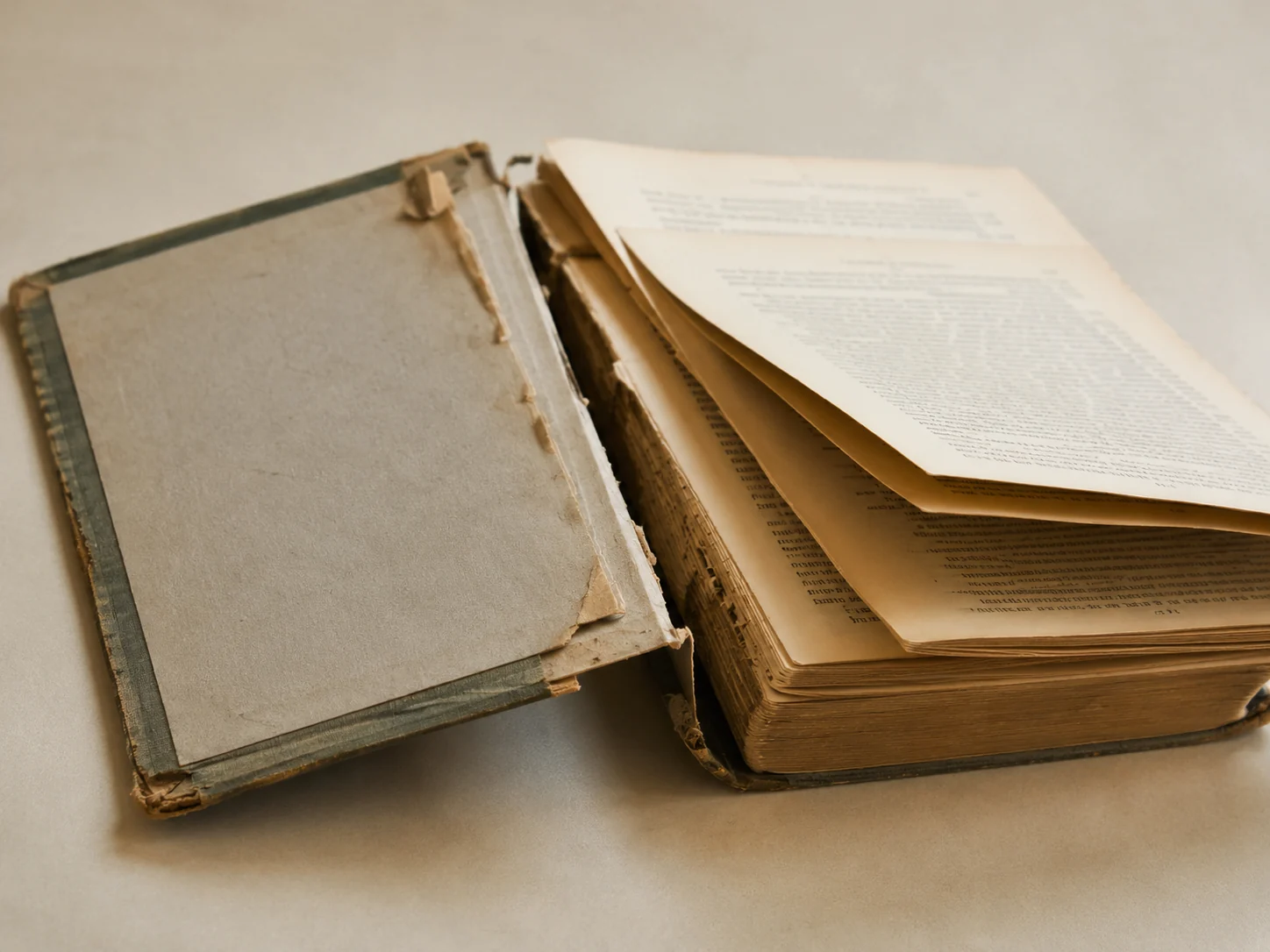
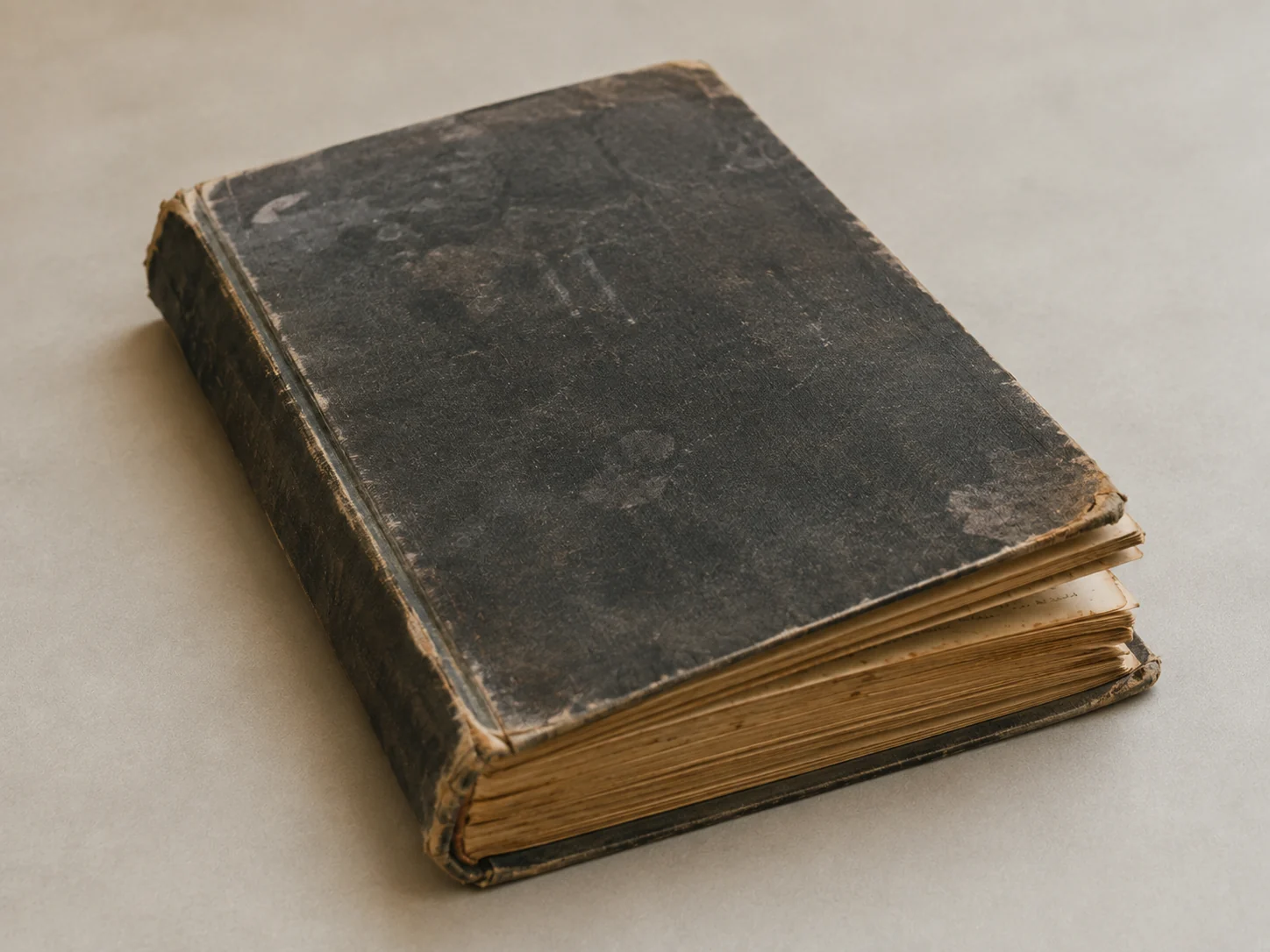
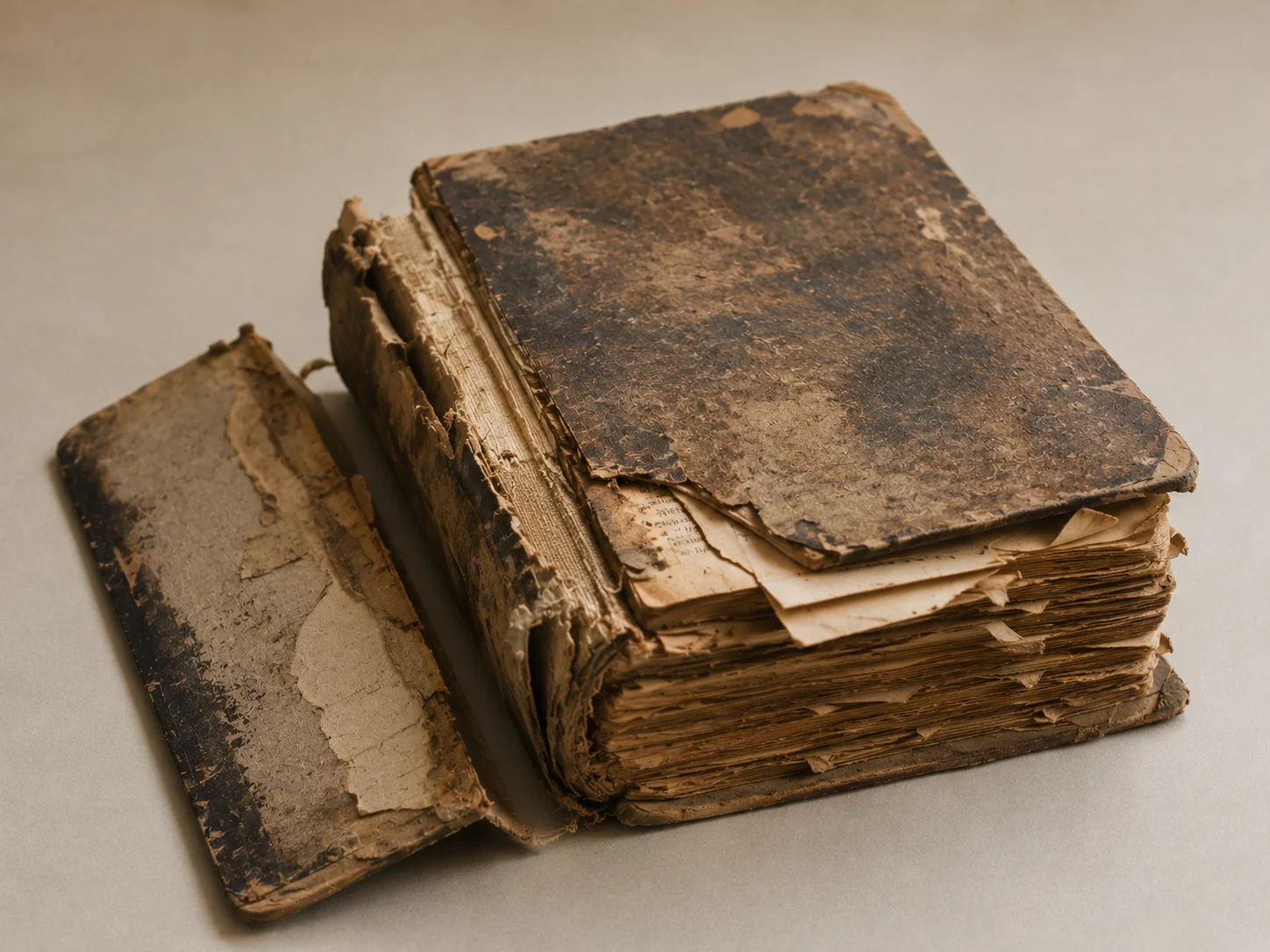
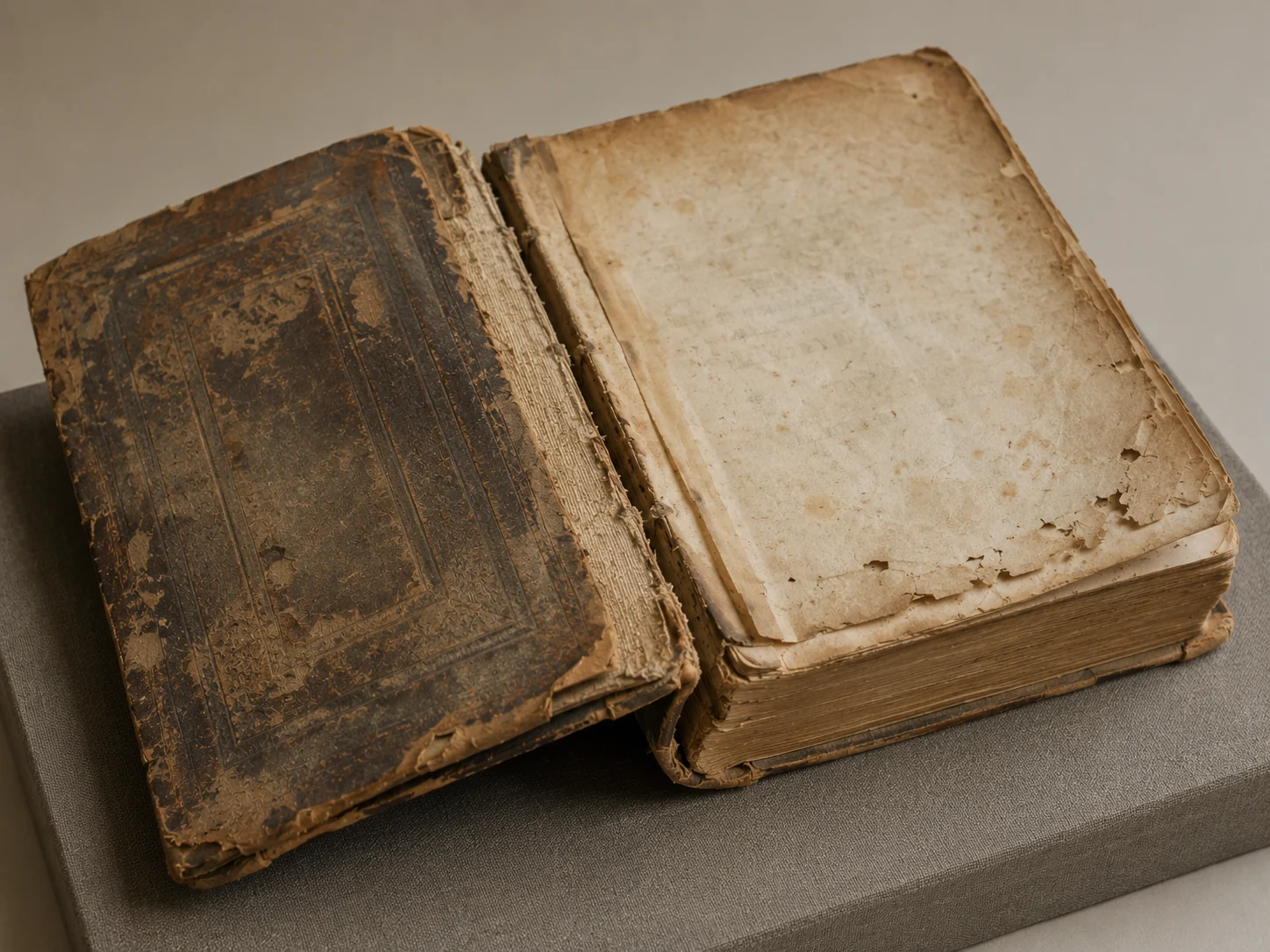
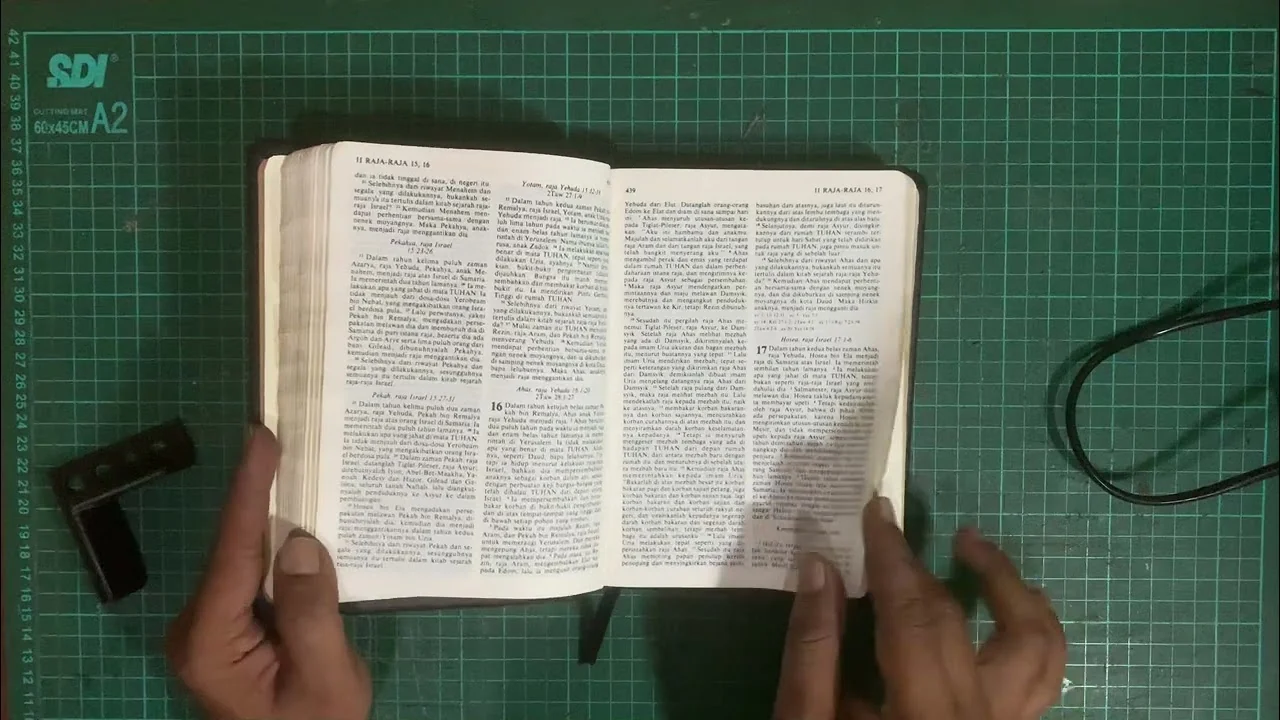 Hasil akhir: Alkitab dijilid ulang dengan kulit asliSampul lama diganti kulit asli, blok isi dijahit ulang.
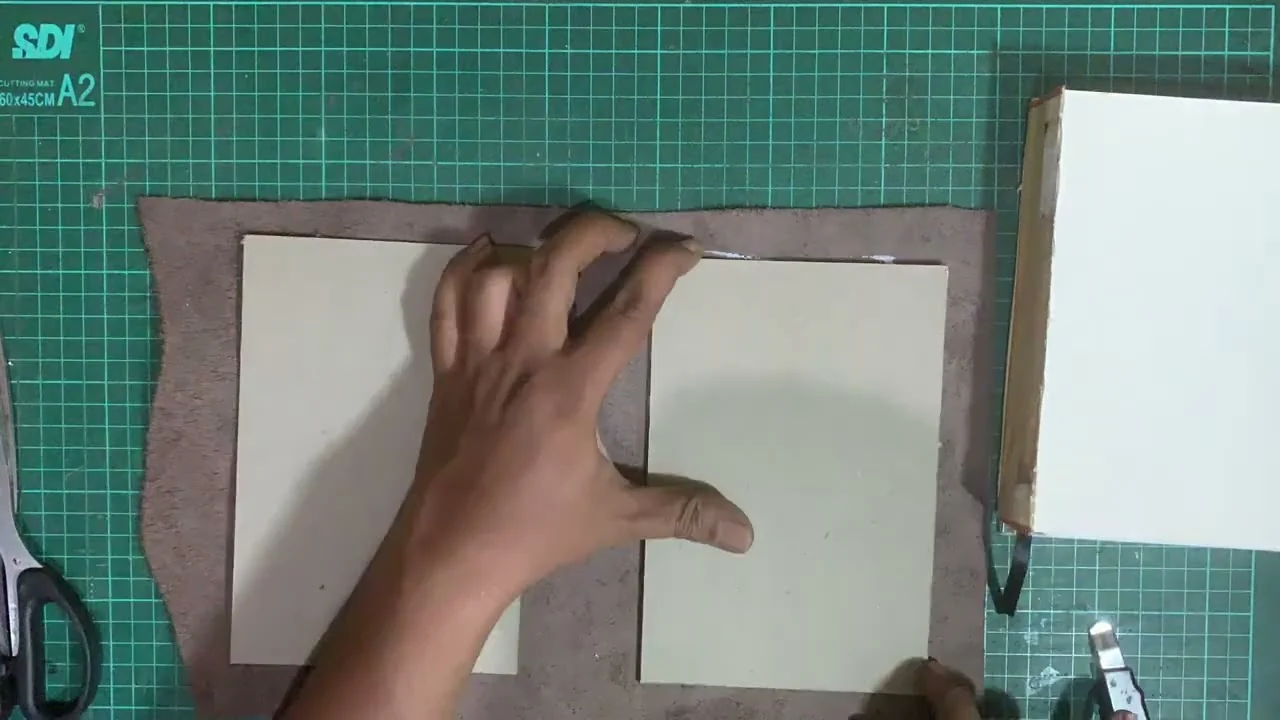 Timelapse: mengelem papan sampulSatu tahap kecil dari proses penjilidan, dipercepat.
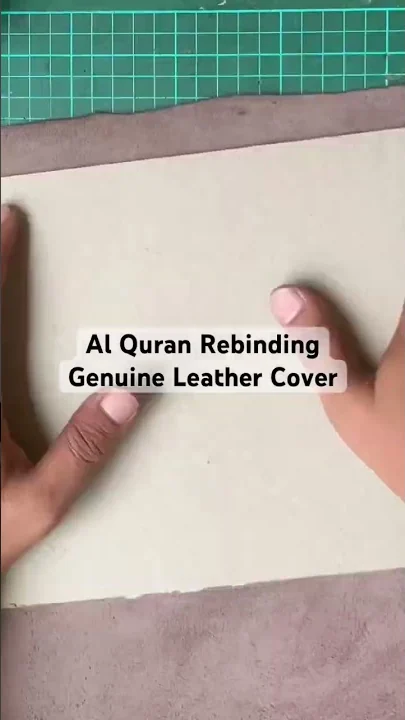 Jilid ulang dan ganti sampul Al-Qur'anKulit asli, dijahit ulang.
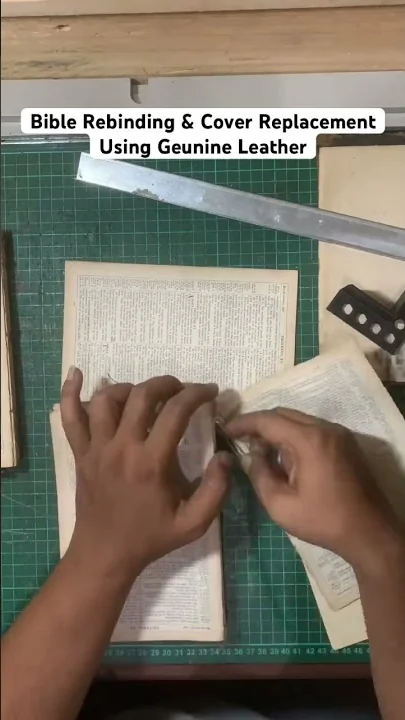 Reparasi Alkitab: jilid ulang dan ganti sampulDari sampul lepas sampai buku yang bisa dibuka lagi.
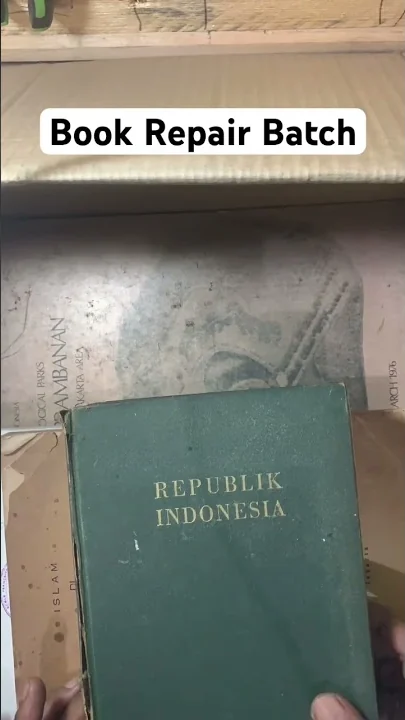 Pemeriksaan batch koleksi perpustakaanSetiap buku diperiksa satu per satu sebelum dikerjakan.
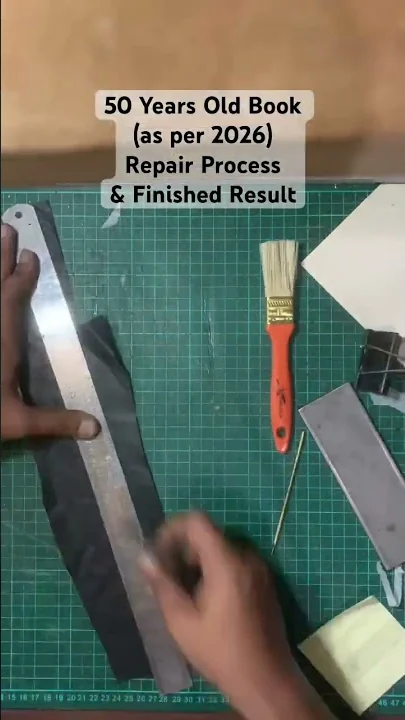 Perbaikan buku perpustakaanBuku berusia 50 tahun, proses dan hasilnya.
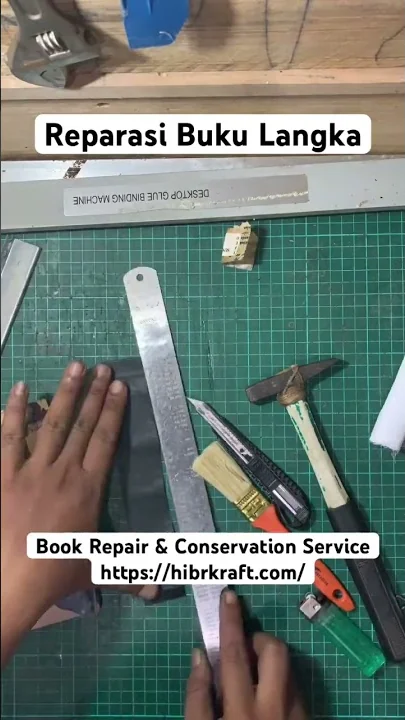 Perbaikan buku langka, standar konservasiBahan reversibel, setiap langkah dicatat.