
Bulk & White Label
White Label Process: Six Steps From First Message to Delivered Stock
We are a government-recognized Indonesian workshop serving stationery brands, Etsy sellers, and entrepreneurs worldwide. Price and MOQ are on the bulk & white label page. This page covers only the sequence itself: what happens at each of the six steps, what artwork we need from you, and how sampling works.
- 6 steps
- 3 free sample revisions
- $50 sample deposit
Tell us your brand, product idea, quantity and timeline, and we will tell you honestly whether we can help.
Start to finish
The six steps
From your first message to products in your warehouse. Every project follows the same sequence; what changes is how long each step takes.
-
1. Initial Consultation — 1–3 days
A discovery conversation over WhatsApp or Zoom, not a sales call. You share your brand story, product vision, quantity needs and deadline. We assess fit honestly, and you receive a requirements summary, an initial price range, and a proposed timeline.
-
2. Design Development — 1–2 weeks
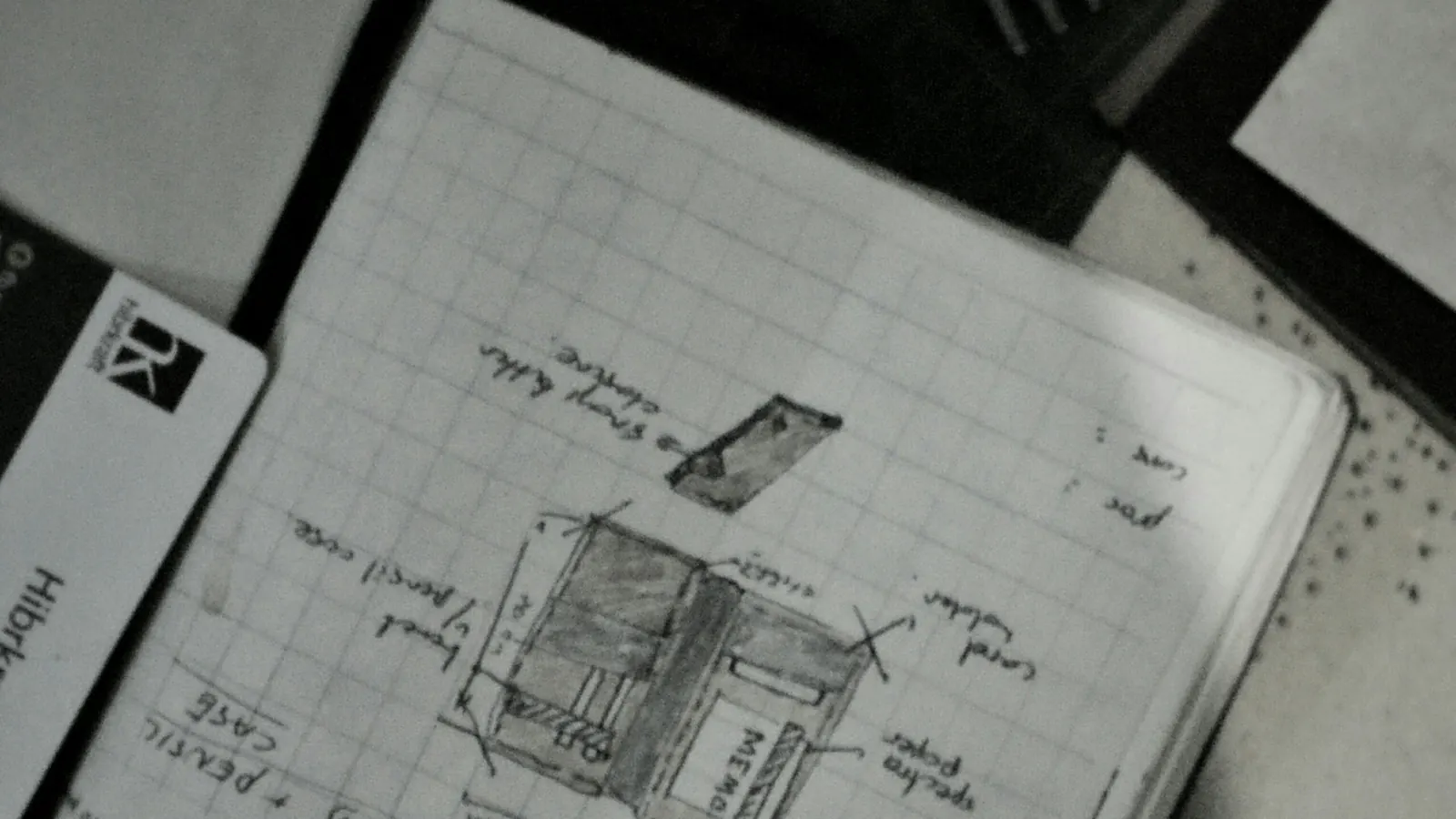
We build digital mockups showing leather colour, branding placement, binding style and paper layout from multiple angles, and curate material swatches based on your brief. Artwork file requirements are covered below.
-
3. Sample Production — about 1 week, plus shipping
A single production-quality unit is made and shipped to you — not a rough mockup, the same materials and techniques every unit will receive. Sampling and revisions are covered below. Mass production only begins after your written approval.
-
4. Mass Production & Quality Control — 2–4 weeks by quantity
Even at scale, every journal passes through craftsman hands — machines assist with cutting and stitching, human judgement handles the quality-sensitive work. Every single unit is inspected before packaging, not statistical sampling. You can request a status update anytime via WhatsApp.
-
5. Packaging & Retail Readiness — included in production
A basic poly bag is included with every order; sleeve, pouch, box and wooden box options add presentation. Barcode labels, hang tags and care cards can be added. What a retailer physically receives is itemised on the retail-ready product page.
-
6. Final Inspection & Global Shipping — 5–10 business days
Every unit is re-verified against the approved sample before packing. We ship via DHL Express, with export documentation handled by our logistics partner. We have shipped to Canada, Germany, the Netherlands and the United Arab Emirates. Customs duties are your responsibility; we declare accurate values. Any defective unit found after delivery is replaced free of charge — you pay only return shipping.
Made by hand
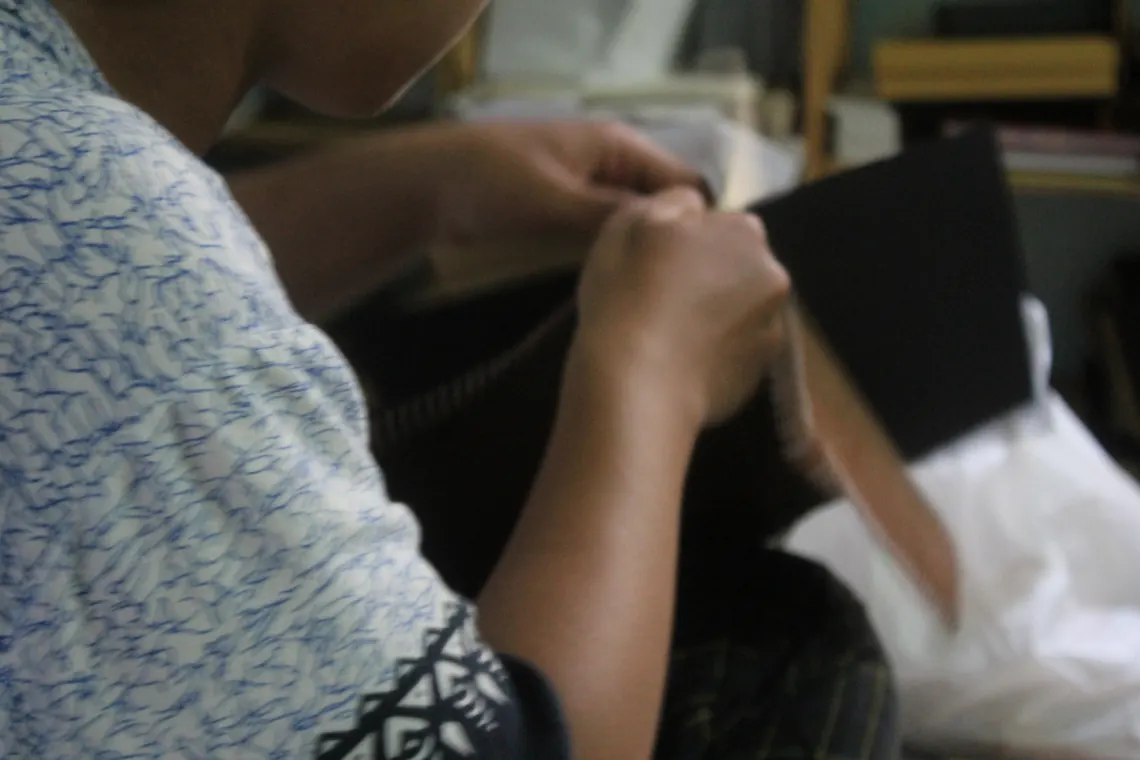
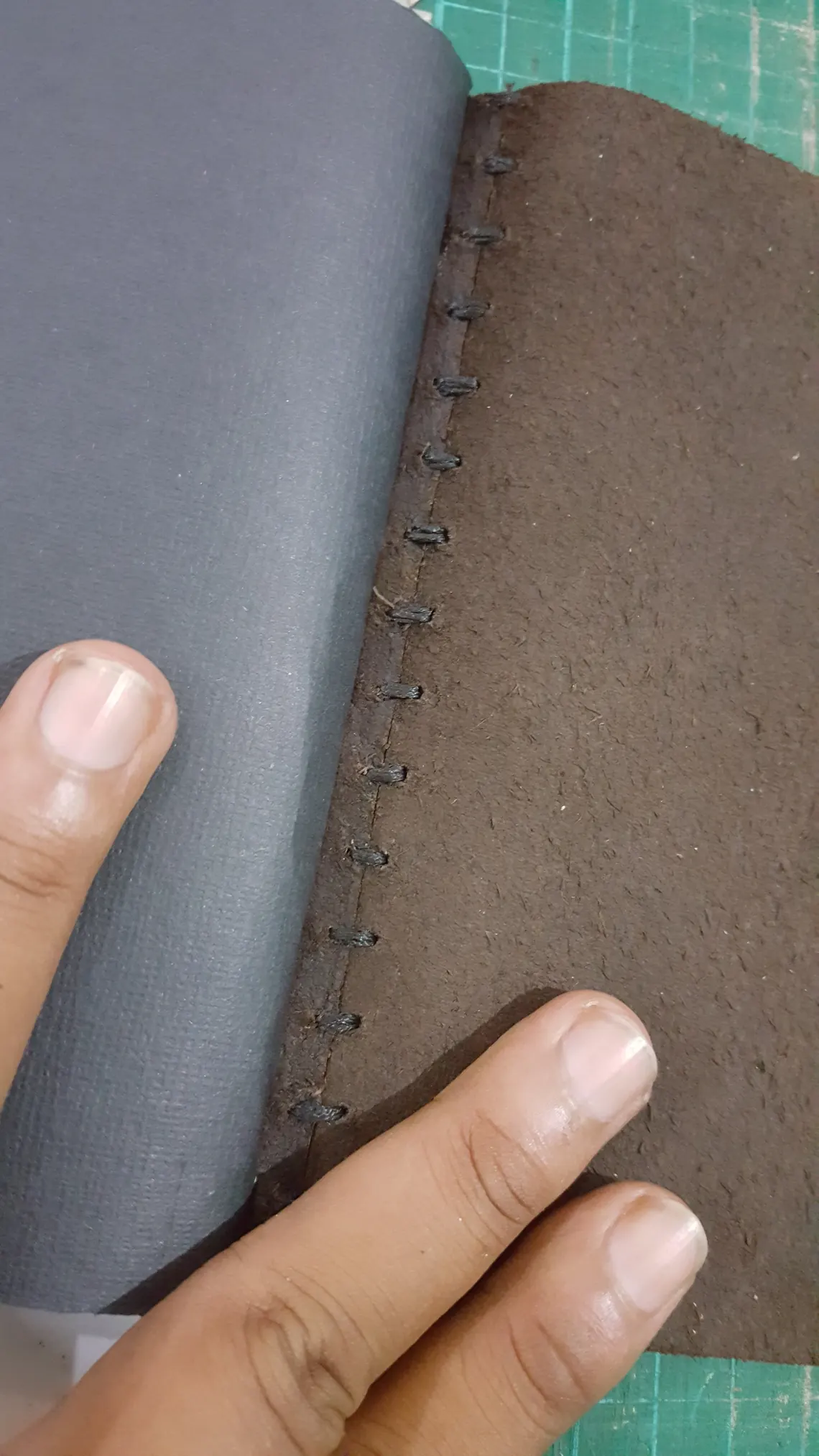
Hand work, even at scale
A logo die is pressed the same way whether the run is fifty units or five hundred. What changes with volume is how much is decided and templated in advance — not how much of the finishing is done by hand.
Before we cut a die
Artwork file requirements
A logo die is carved from lines. A vector file has lines; a screenshot, a JPG or a PNG has pixels, and pixels become ragged edges when carved at small sizes. This is the most common single delay in the whole process and the cheapest to avoid.
- Vector (preferred): AI, EPS, PDF, CDR — the die is cut from this directly, and it produces the best results for debossing, embossing and laser engraving.
- Raster (minimum 300 DPI): PNG, JPG, TIFF, at the actual size the mark will be used. We can sometimes convert a raster file, but quality depends on the original.
- Design files: PSD and Figma exports are also accepted.
- One colour — leather marking has no gradients. A logo with shading must be simplified, and it is better that you decide how than that we guess.
- Minimum line weight — lines thinner than roughly half a millimetre tend to disappear into grained leather.
- Clear space — pressing displaces fibre sideways; shapes set too close push into each other.
The techniques themselves, and which one suits which shape, are compared at logo and branding options.
Design
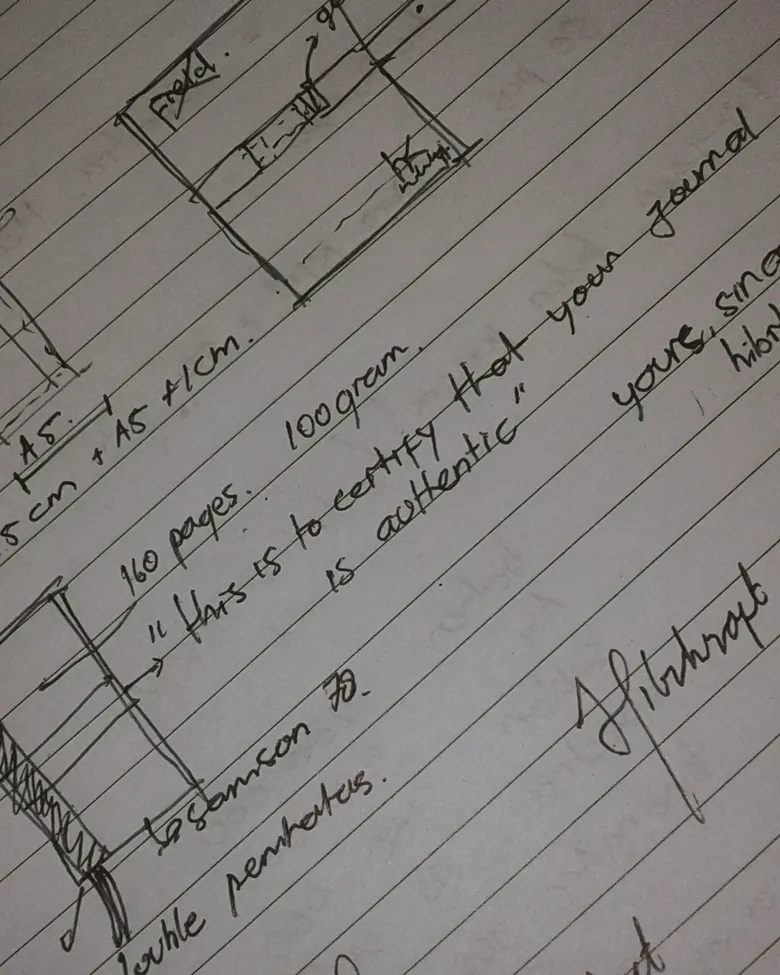
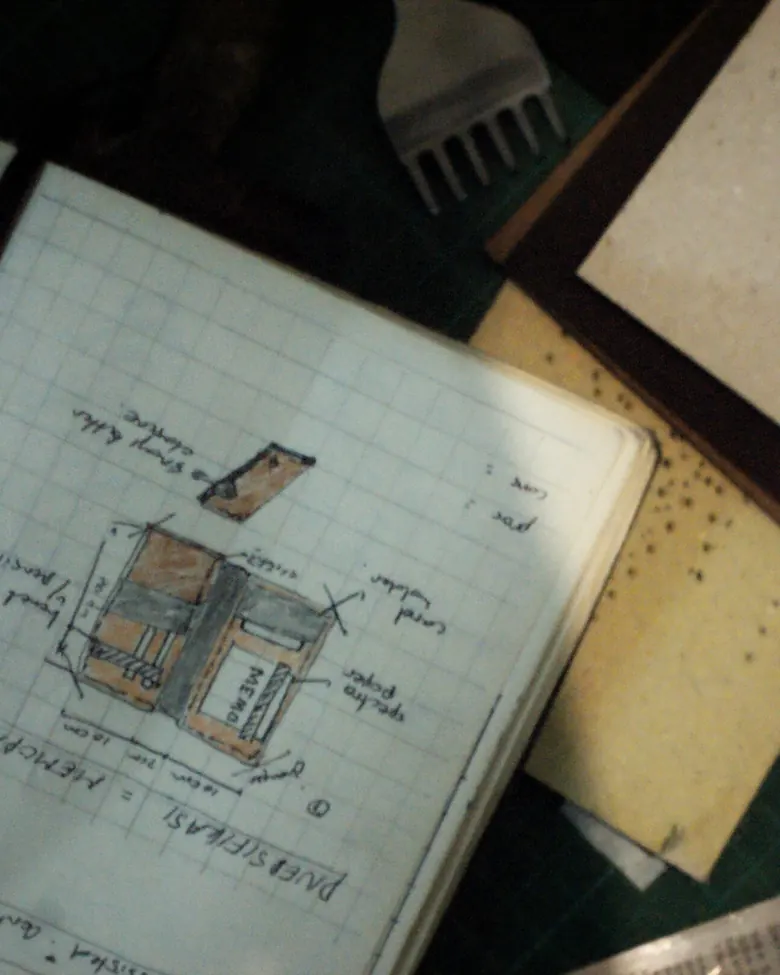
Sketches first
Rough ideas are fine at the consultation stage.
Layout
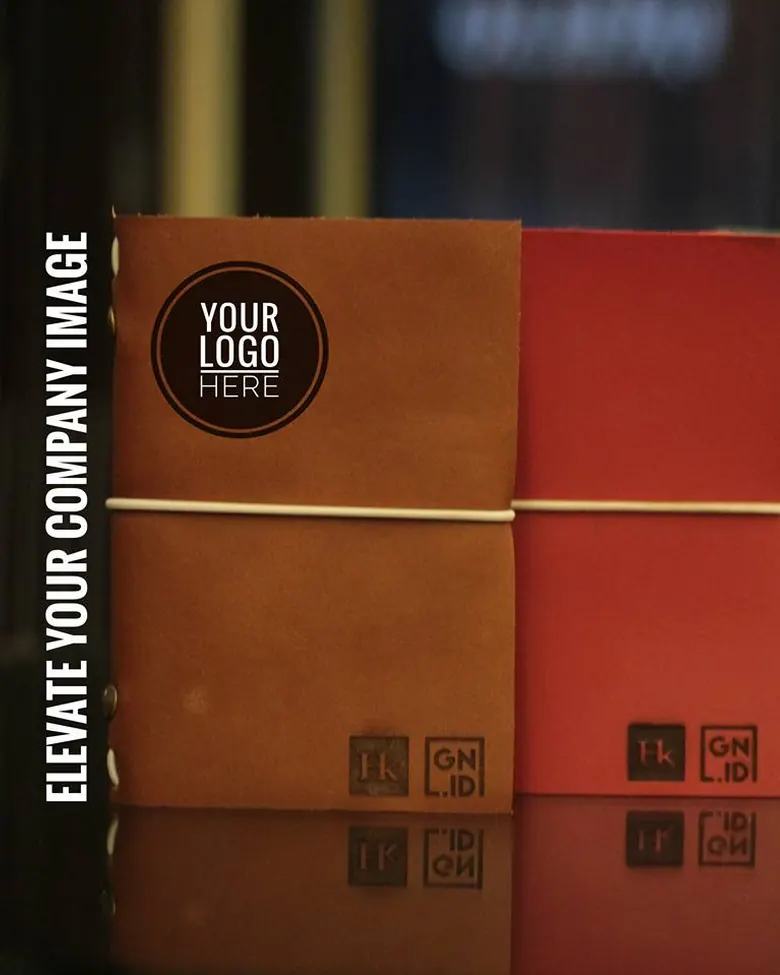
Placement decided
Branding position is fixed before the mockup stage.
Mockup
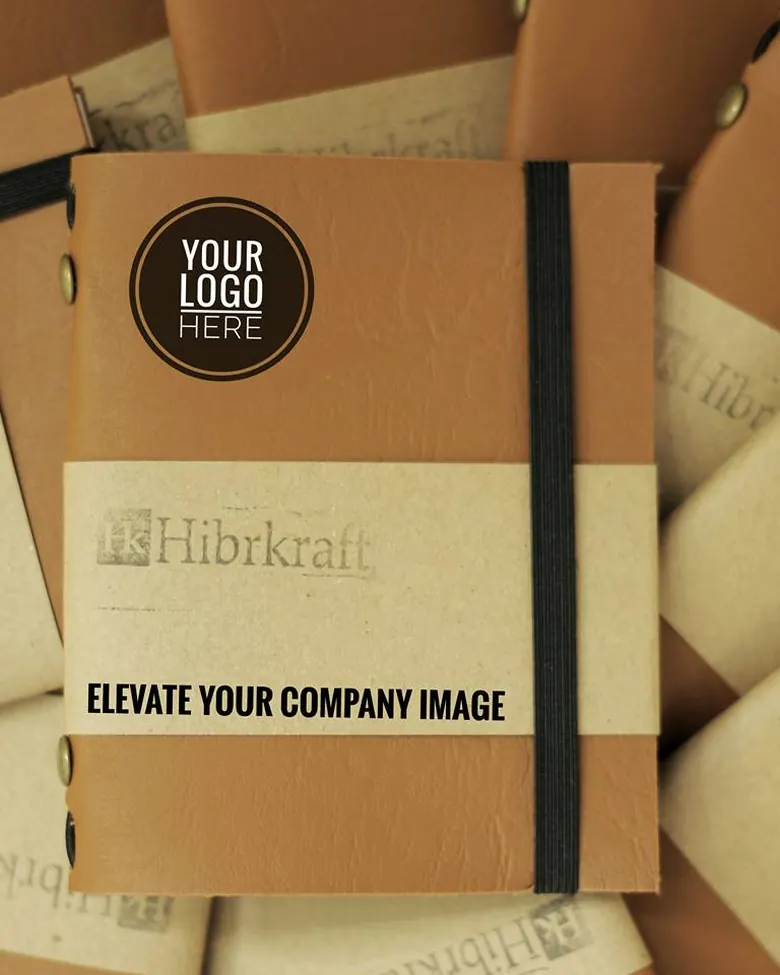
Digital proof
A placeholder mark stands in until vector artwork arrives.
Approval
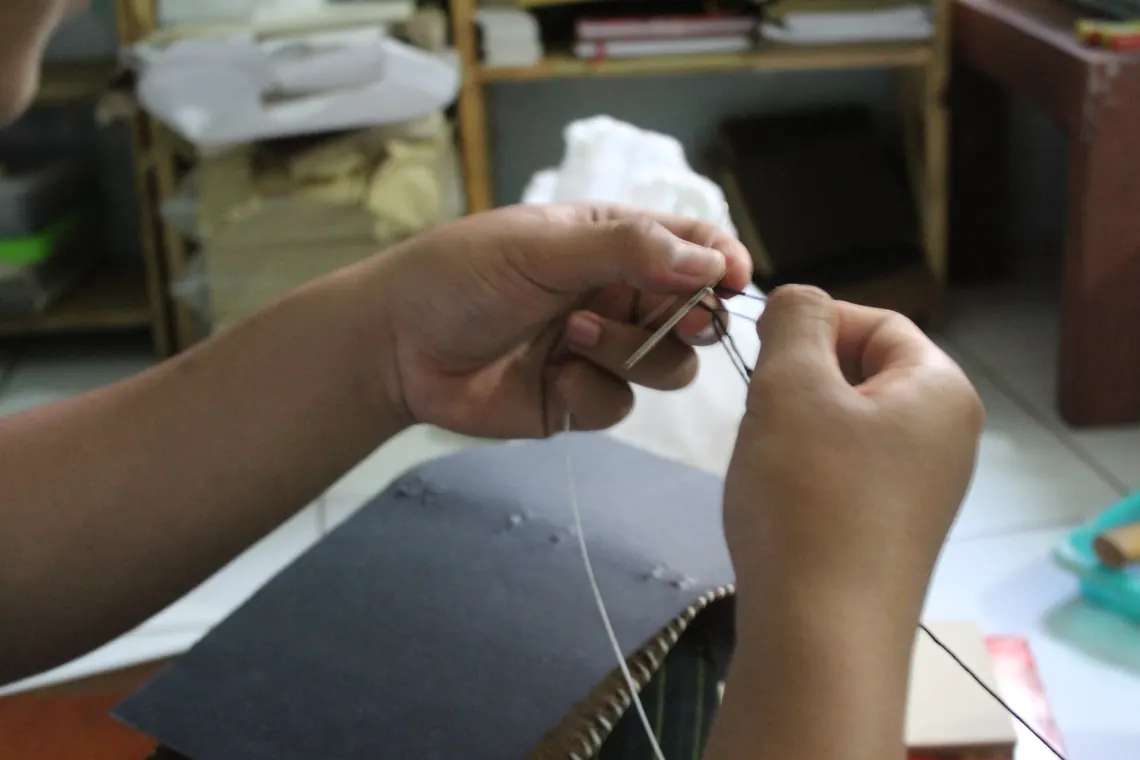
Signed off before cutting
Nothing is cut until the mockup is approved.
Before mass production
Sampling and revisions
Before we produce hundreds or thousands of units, you hold a physical prototype in your hands. We photograph it from multiple angles before shipping so you can preview it.
- Deposit
- $50, applied toward your production order.
- Revisions
- 3 free sample iterations included, because getting the sample right matters more than rushing to production.
- Shipping
- You pay shipping cost for each physical sample.
- Approval
- Mass production begins only after your written sign-off — we never proceed without it.
Questions
Frequently asked questions
Will our customers see any Hibrkraft mark on the product?
No. For white label orders we remove all Hibrkraft branding — no hidden tags, stamps or marks. That is what distinguishes it from bulk ordering; see private label requirements for the NDA and exclusivity position.
Can we change the design after approving the sample?
Before the die is cut, at almost no cost. After, it means a new die. That is the point at which the design stops being a discussion and becomes a physical object.
How many samples are normal?
One, sometimes two. More than three usually means the requirement was not fully settled at the consultation stage rather than that the workshop is missing the mark.
Can several models run in one order?
Yes — see mixed bundles. The quantity split per model has to be fixed before cutting, because it drives the cutting plan.
Can I visit the workshop?
Yes, and international clients are encouraged to. Tour the facility, meet the craftsmen, inspect materials in person. Cannot visit in person? We offer virtual tours via Zoom. Book a workshop visit.
Can I get product photography of my finished products?
Yes, as an add-on service, not included in standard pricing. Useful for e-commerce listings and marketing. Ask during your quotation if interested.
What actually decides the schedule
Send your requirements and deadline
Tell us the quantity and when it needs to be ready. We reply with a price range and a schedule.
In 20 words: Production is predictable. Approvals are not. The binding constraint on almost every white label order is a decision, not a machine.
In 60 words: Across orders run here, the steps that overrun are consistently the ones that wait on the client: sample approval, final artwork, and confirmed name lists. Manufacturing itself rarely moves. A schedule built backwards from the handover date, with the approval steps given real calendar time, survives; one built forwards from the order date does not. See the bulk ordering guide (linked below) for the full backward schedule.